Why Your Body Has Paused Weight Loss on GLP-1 — and How to Break the Plateau Without Touching Your Dose
What researchers are now saying about the stress hormone that may be behind your plateau, your hair shedding, and your stalled progress on GLP-1.

June 22, 2026
- Is My Cortisol Elevated? How It Affects Weight Loss
- How Cortisol Fights Your GLP-1 Progress
- How Do I Know It Is Cortisol? The Symptoms
- A Documented Case: 3-Month Plateau on Ozempic
- Cortisol Lowering — The Most Effective Treatment
- Why Isn't My Doctor Testing for It?
- How Do I Break Through the Cortisol Loop?
For anyone on a GLP-1 medication whose progress has recently slowed — or who's dealing with side effects that weren't part of the plan — there's a growing body of research pointing to a single overlooked factor behind much of it.
Multiple 2026 studies converge on the same conclusion: elevated cortisol works directly against the mechanisms that make GLP-1s effective, slowing metabolism, reviving food noise, and accelerating muscle loss.
Addressing cortisol alongside a GLP-1 protocol may be one of the more overlooked ways to make the whole process safer and more sustainable long-term.
This piece walks through the current research on cortisol's role in GLP-1 plateaus, and what the evidence says can actually be done about it.
Is My Cortisol Elevated, and How Does That Affect Weight Loss?
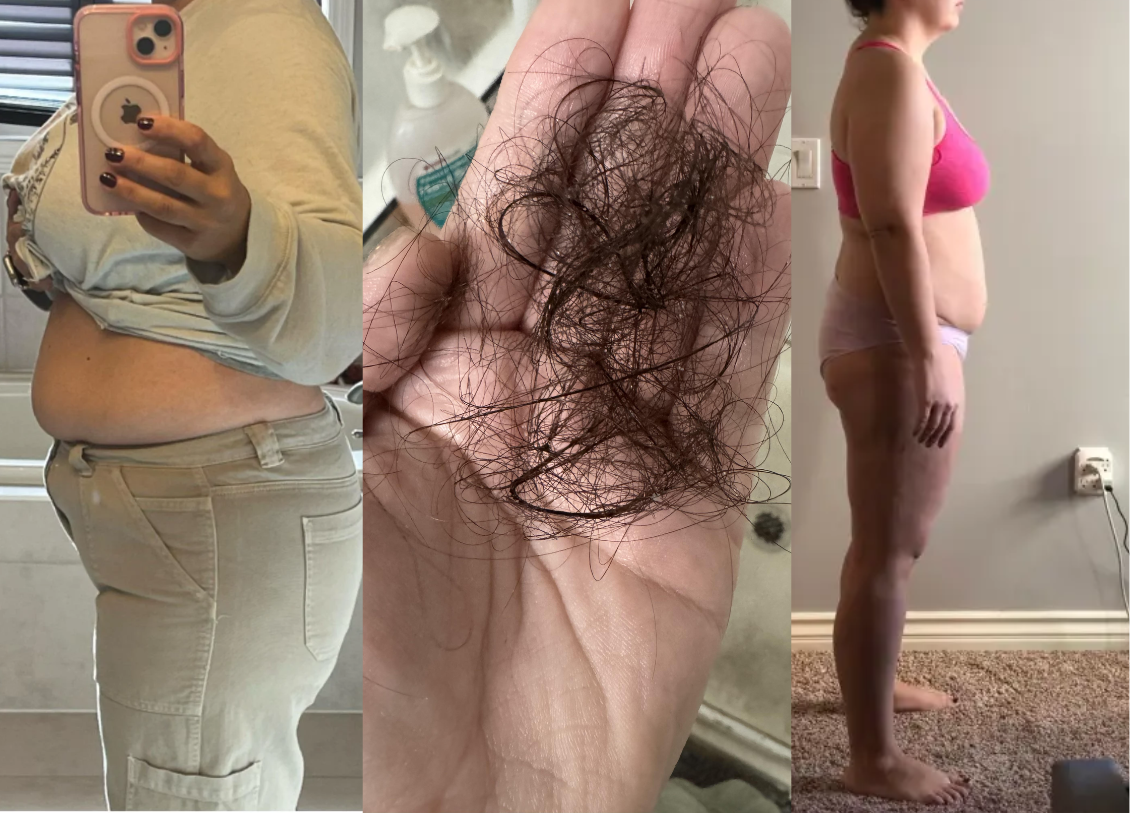
Cortisol testing isn't part of a standard GLP-1 workup, but the body tends to signal it through symptoms you can notice yourself.
There's a common assumption that cortisol only rises with obvious mental stress — a hard day, a tense conversation. That's part of the picture, but a small one. Cortisol can climb even after a calm day and a full night's sleep, which surprises most people who've tried to lose weight before.
For GLP-1 users specifically, research from institutions including the University of Basel (2017), University of London (2018), and Georgia State (2024) converges on the same finding:
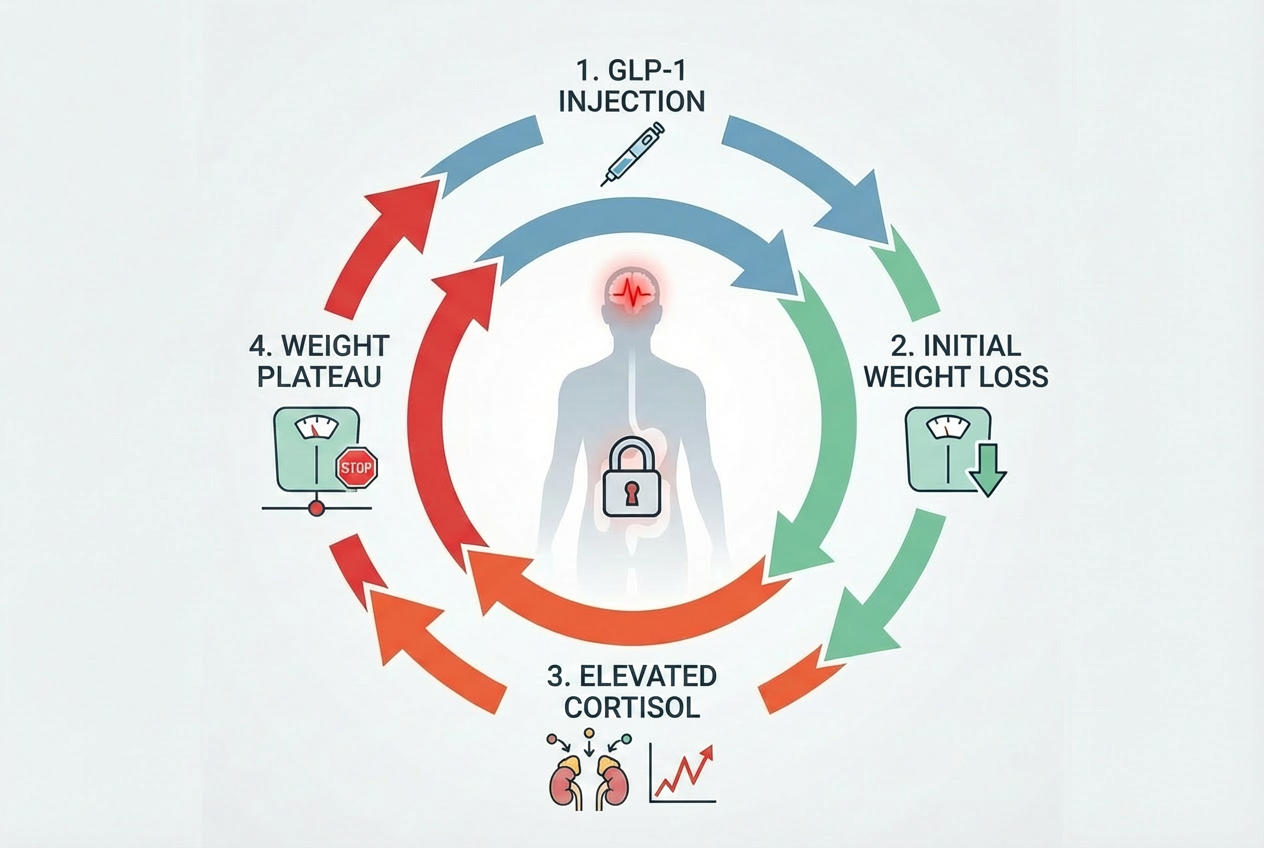
In practice, this means the initial cortisol rise often isn't just from a calorie deficit or day-to-day stress — it can come from the medication's mechanism itself.
How Cortisol Works Against Your GLP-1 Progress
The body's stress response evolved for a world with far more physical danger than most of us face today — but the underlying biology hasn't caught up. When cortisol rises, it and the GLP-1 medication end up pulling in opposite directions.
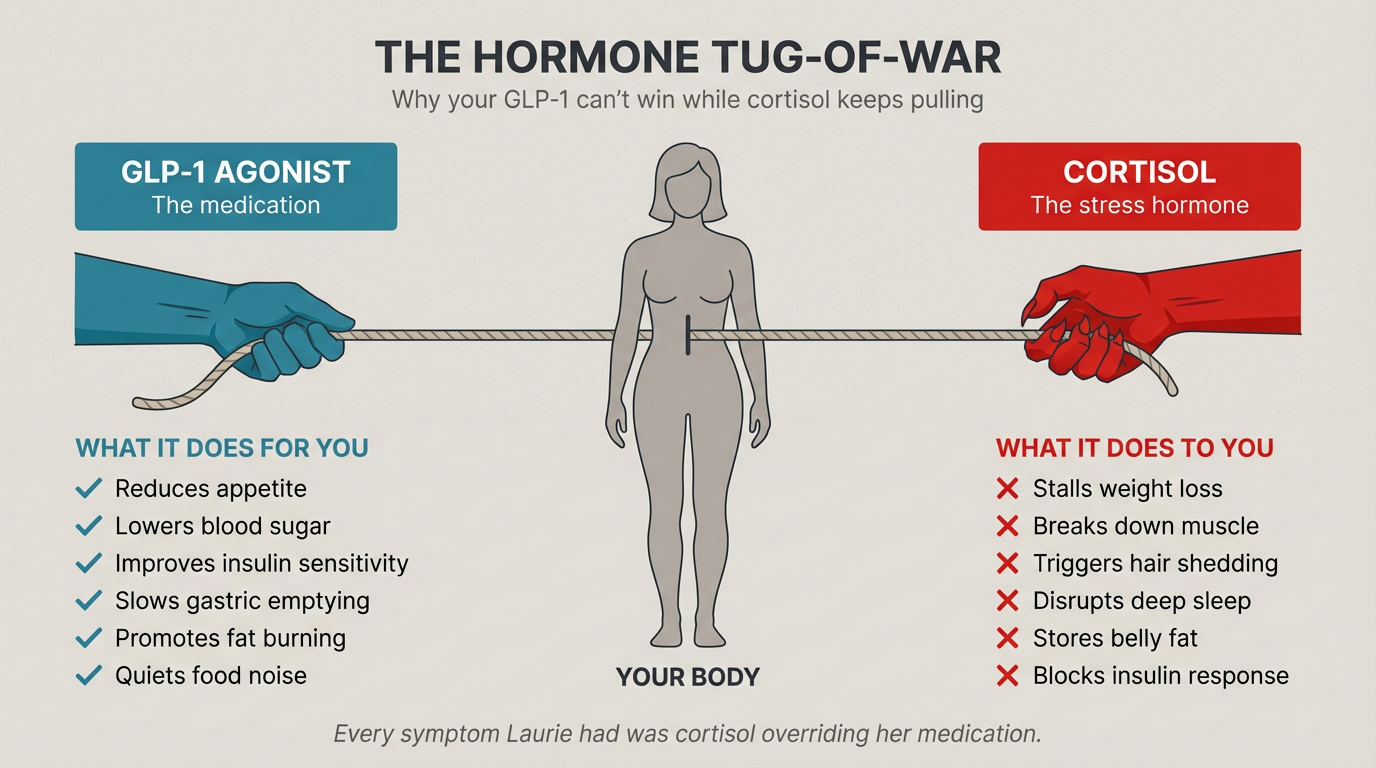
Cortisol signals the body to conserve fat, increase hunger, and break down muscle for energy — essentially the opposite of what the GLP-1 is trying to do.
For some, this tension is mild: a bit slower progress, occasional fatigue. For others it's enough to stall weight loss entirely and produce a cluster of symptoms — hair shedding, muscle loss, disrupted sleep, returning appetite, persistent exhaustion — that often get attributed to the medication itself rather than to cortisol overriding it.
How Do I Know a Plateau Is Cortisol-Related?
These are the most common signals researchers associate with elevated cortisol during GLP-1 treatment:
Disrupted Sleep
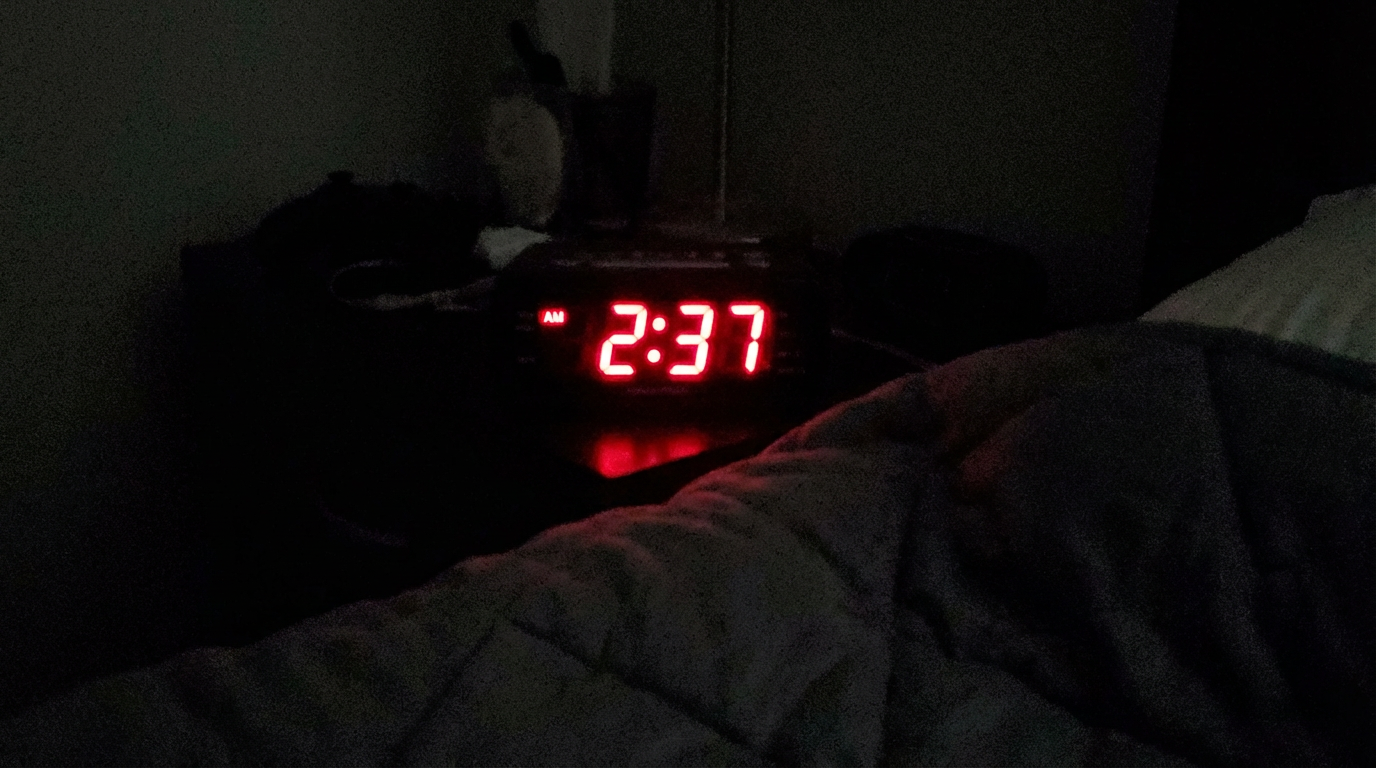
Sleep disruption is easy to dismiss since it has so many possible causes — but on GLP-1 specifically, it's a strong marker of elevated cortisol.
Cortisol naturally rises when we wake and falls as we sleep, which is part of how deep, restorative sleep resets hunger hormones and metabolic function overnight.
That creates a feedback loop: the medication raises cortisol, cortisol disrupts sleep, and poor sleep raises cortisol further — compounding over time and potentially deepening a plateau or accelerating muscle loss.
Muscle Loss and Physical Weakness
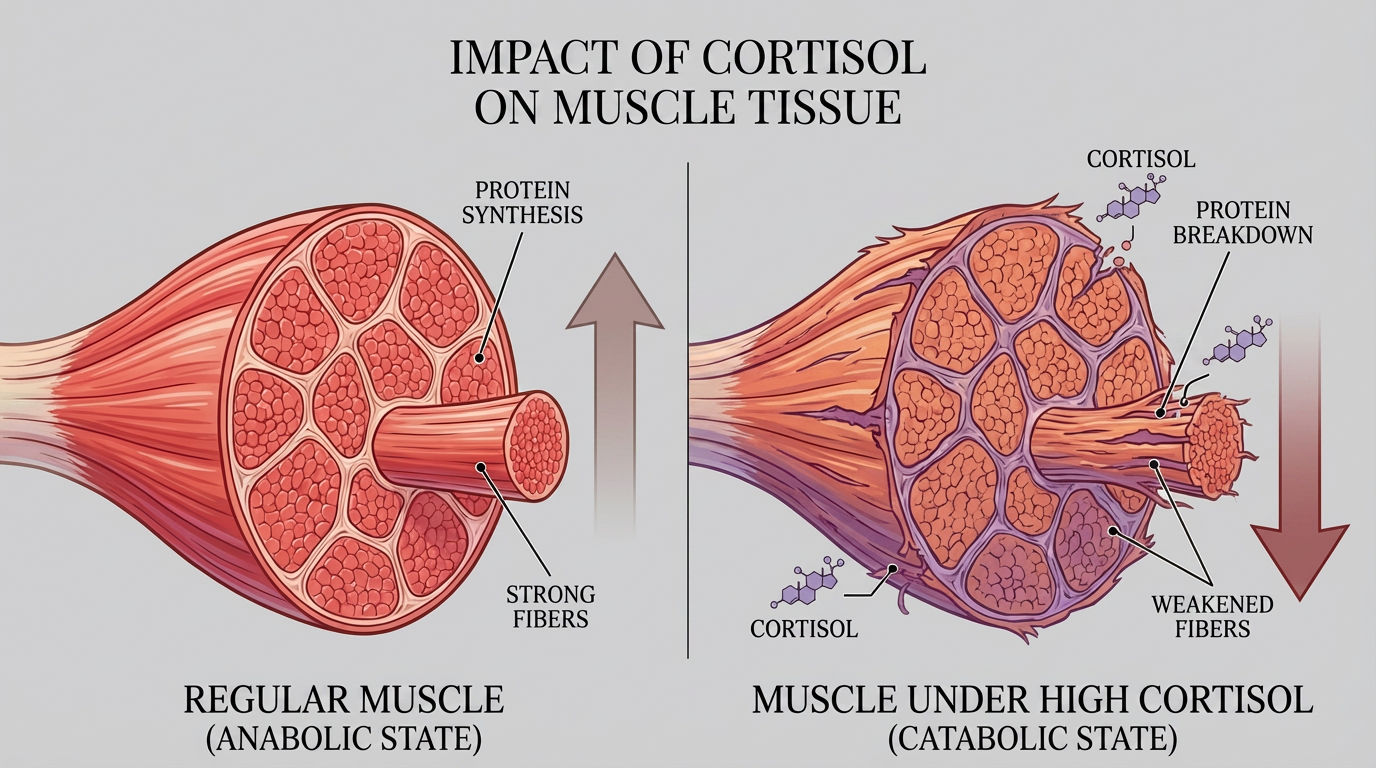
Losing muscle despite adequate protein intake is a recognized sign of elevated cortisol, typically becoming more noticeable after six or more months on a GLP-1.
Cortisol's role is to slow the metabolism to conserve energy, and muscle tissue is exactly what drives daily calorie burn — so as it's broken down, baseline metabolism drops with it, which matters even more if a lower GLP-1 dose is planned down the line.
Hair Loss
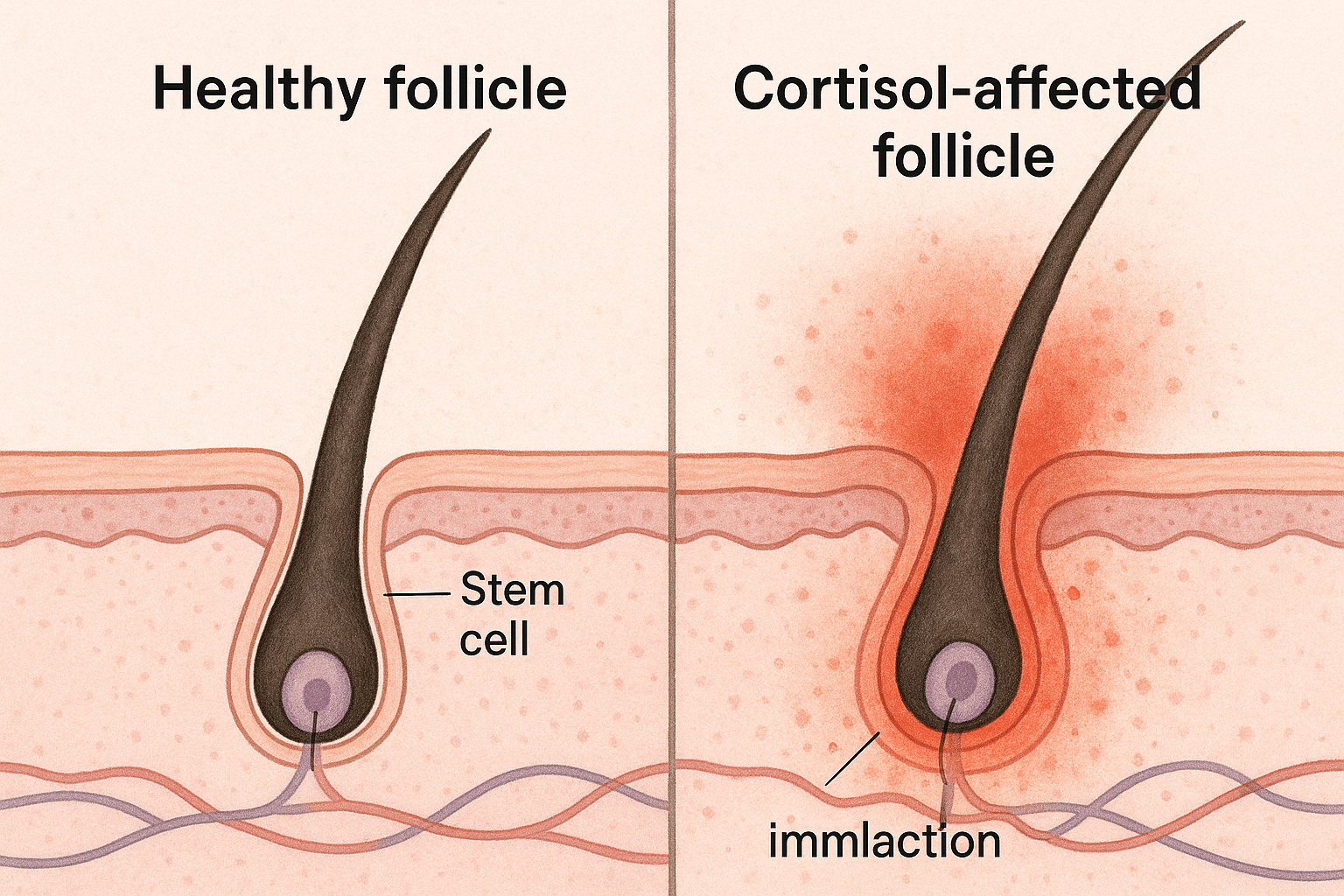
Telogen effluvium — hair follicles prematurely entering a resting phase — is closely linked to elevated cortisol.
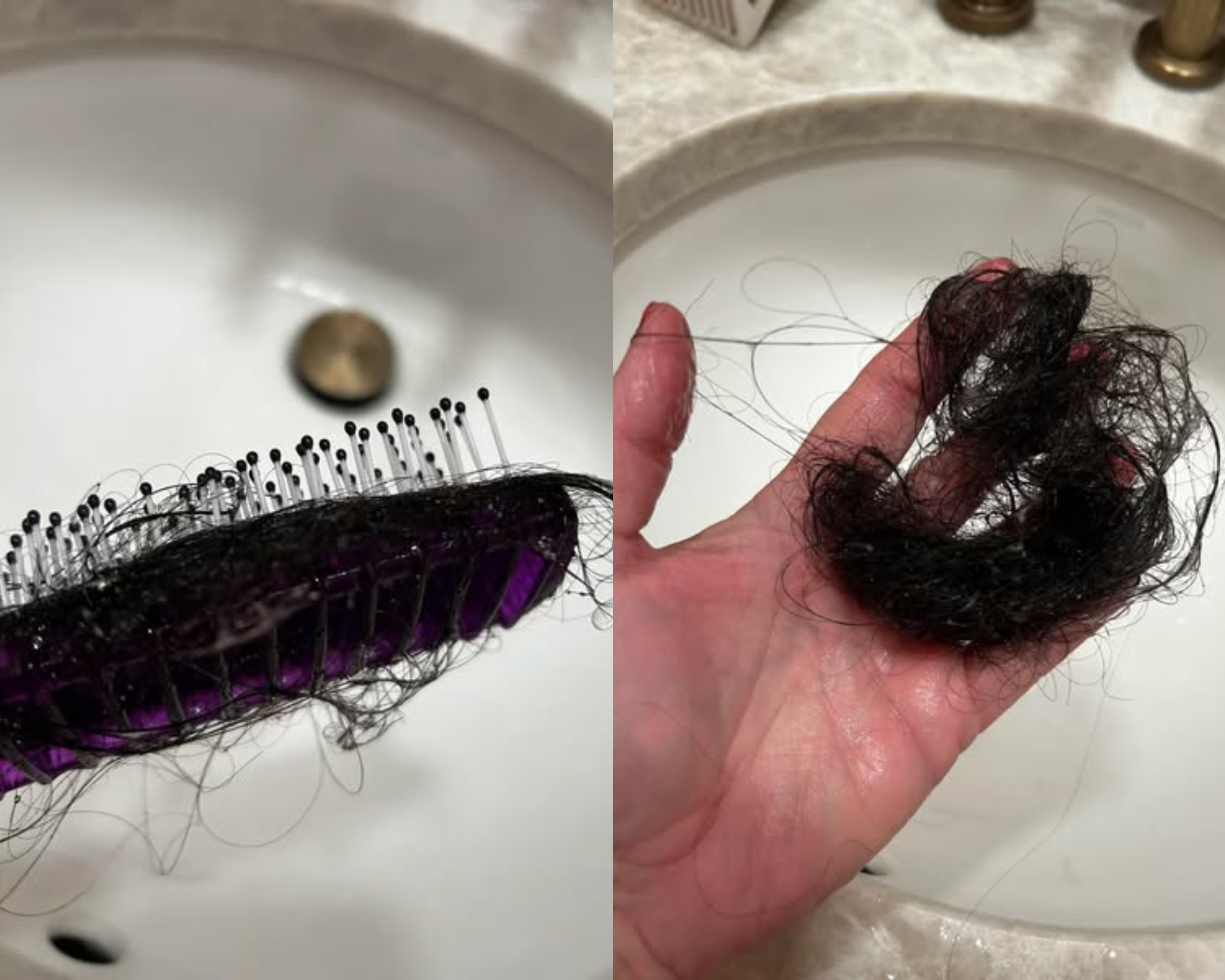
As cortisol disrupts sleep and breaks down muscle, the body deprioritizes anything it considers non-essential for survival — hair included.
Rather than five unrelated issues, the plateau, hair shedding, muscle loss, sleep disruption, returning appetite, and persistent fatigue tend to trace back to one shared cause: elevated cortisol.
A Documented Case: A 3-Month Plateau on Ozempic, Explained by Cortisol
A 2025 case study published on ScienceDirect illustrates the pattern directly.
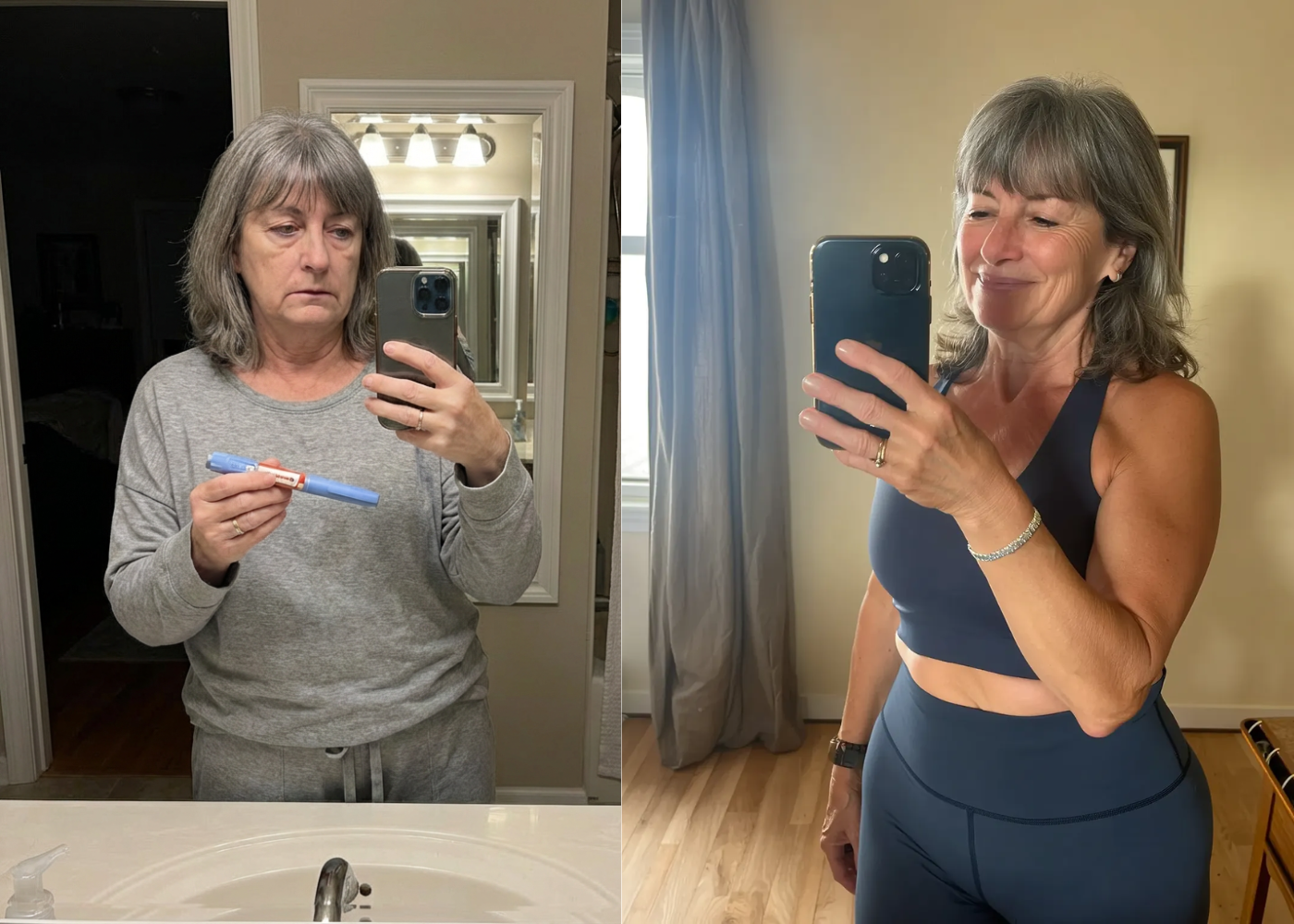
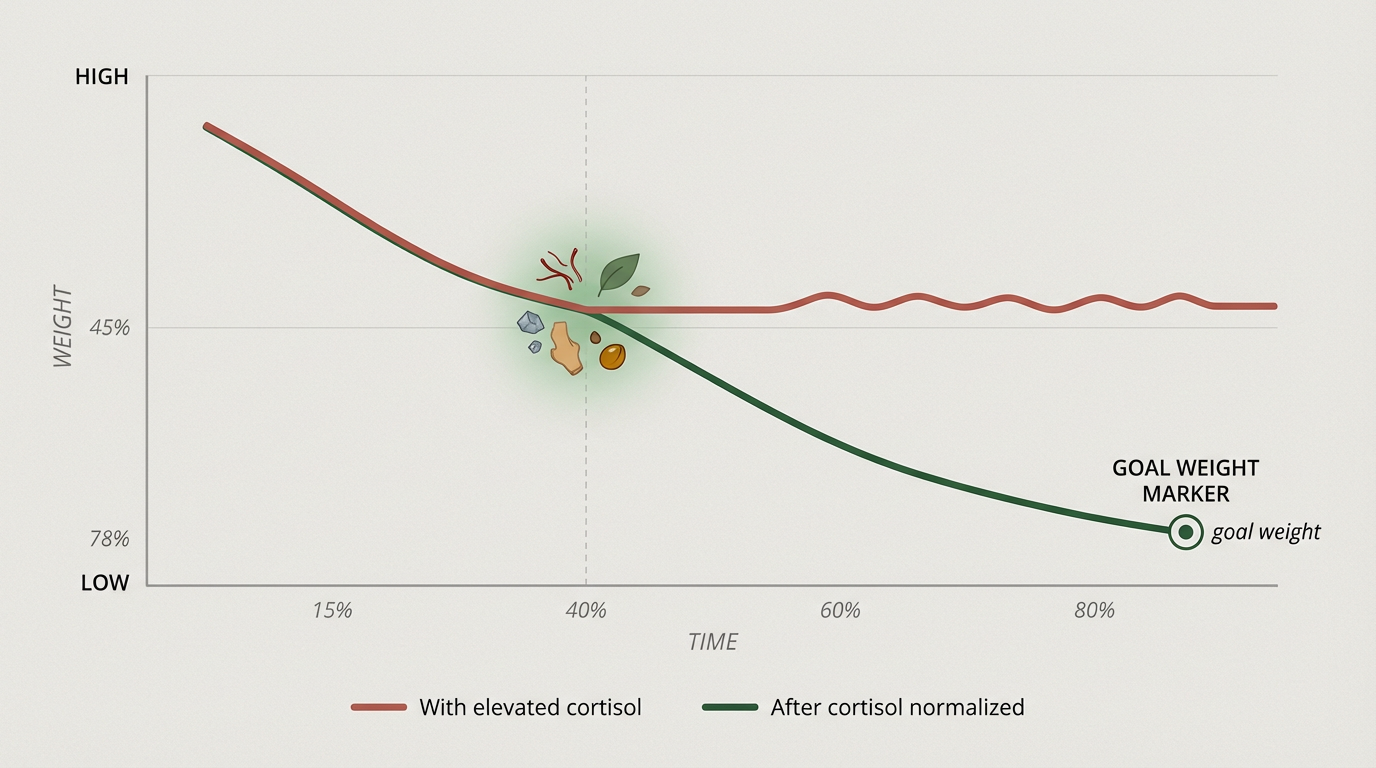
A patient on semaglutide lost 42 pounds over her first seven months of treatment, then plateaued completely for three months.
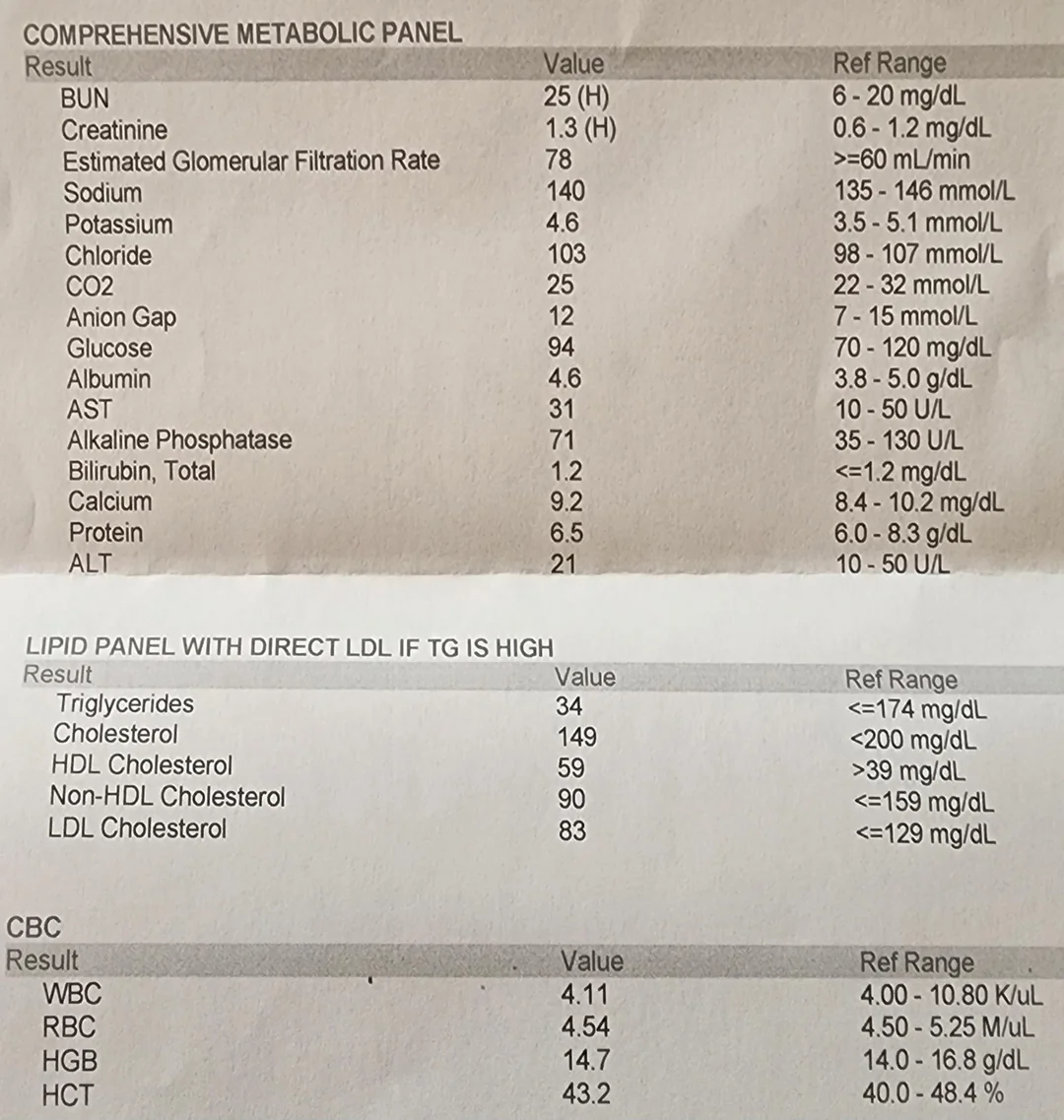
Thyroid, liver, kidney, and glucose markers were all normal. It was only when her endocrinologist tested cortisol specifically that the picture changed — her levels came back elevated.
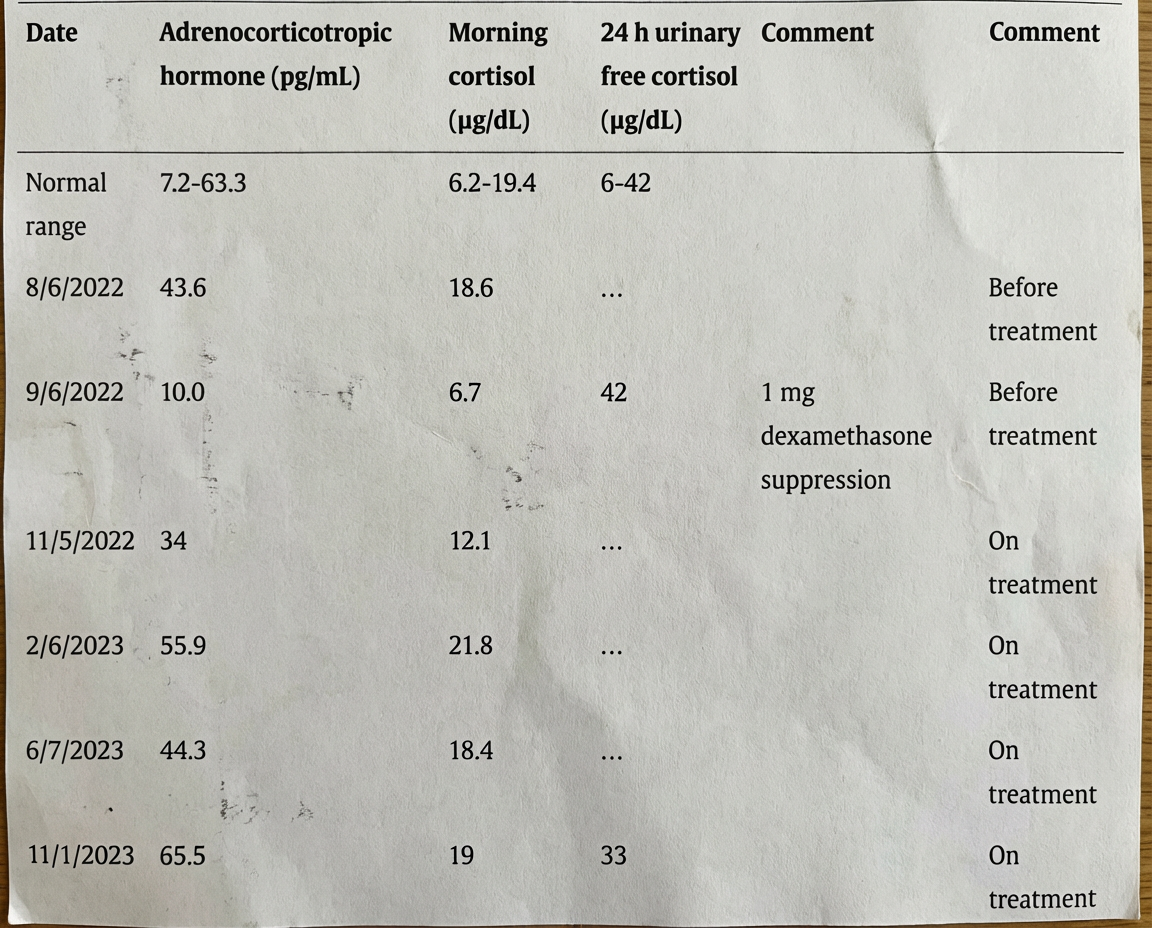
Once a cortisol-lowering treatment was added to her existing regimen — same GLP-1 dose, no other changes — she went on to lose an additional 47 pounds.
Cortisol Lowering as a GLP-1 Treatment Strategy
Researchers at Georgia State University, working with Emory University, studied what happens when a cortisol-lowering intervention is paired with GLP-1 treatment.
Their findings: the combination produced greater total weight loss, and — notably — better weight-loss quality, meaning more fat loss relative to muscle loss.
A second finding stood out even more: when the GLP-1 was discontinued but cortisol support continued, subjects maintained their results rather than regaining.
That suggests addressing cortisol may help recalibrate the body's own defended weight range, not just support weight loss while actively on medication.
Why Isn't Cortisol Part of Standard GLP-1 Care?
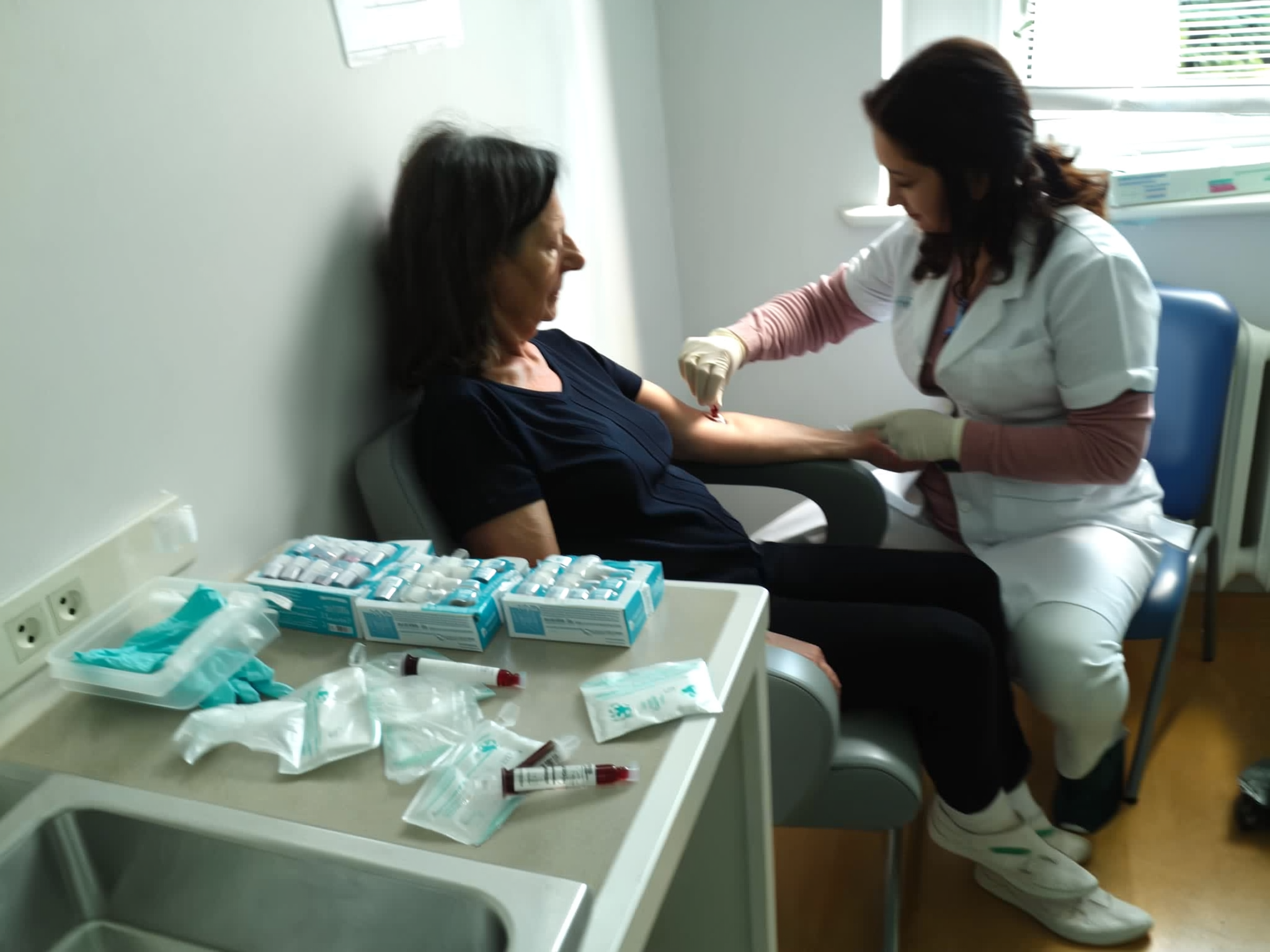
Cortisol testing simply isn't part of standard GLP-1 protocols. Providers typically only order it when a serious endocrine disorder like Cushing's syndrome is suspected — not to investigate a plateau — which means it's rarely covered by insurance either, for testing or treatment.
How to Address the Cortisol Loop
A pharmaceutical route exists for lowering cortisol, but it's largely inaccessible for GLP-1 users outside a documented endocrine diagnosis — the medications aren't typically prescribed for plateaus, insurance won't cover off-label use, and they carry their own side-effect profile.
A second, less-discussed path involves natural compounds with decades of peer-reviewed research behind them for cortisol reduction.
Based on that research, Zafira Organics assembled a protocol formulated to be safe alongside GLP-1 medication:
L-Theanine
Shown to lower salivary cortisol within 60 minutes of intake.
Among the adaptogens, herbs, and amino acids studied for cortisol reduction, most either don't cross the blood-brain barrier or require months to build up in the system. L-Theanine stood out — a study in Nutrients recorded reduced salivary cortisol within an hour of intake.
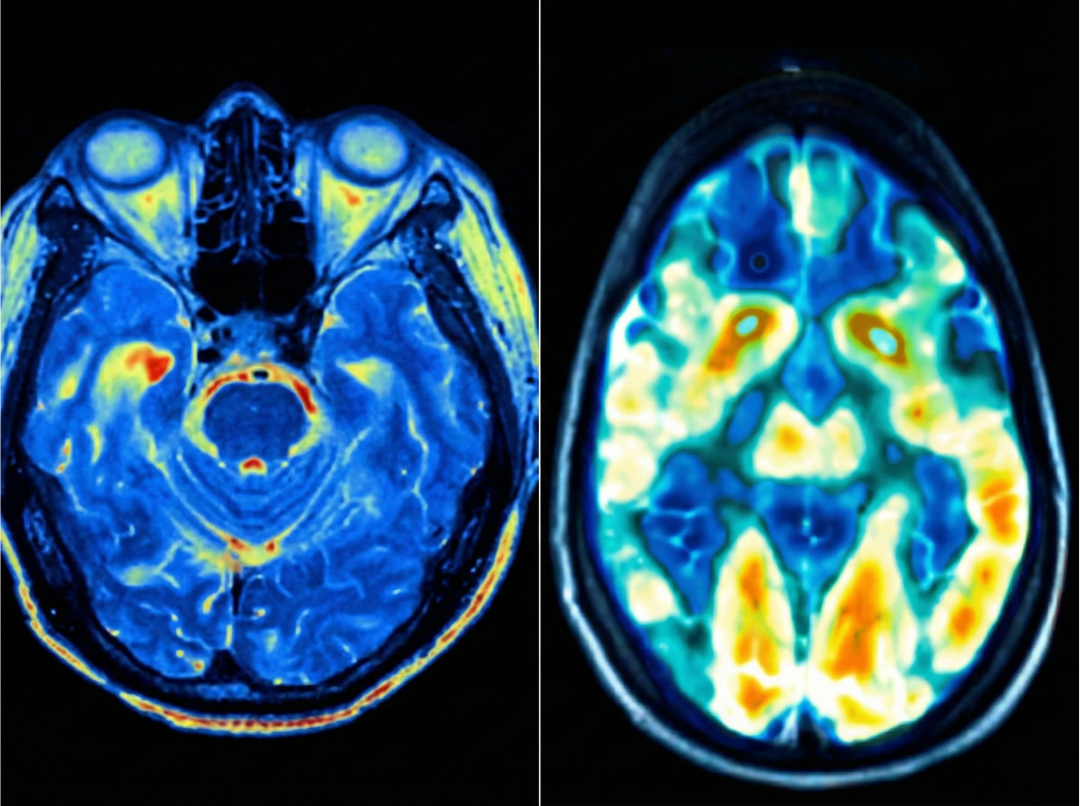
For GLP-1 users, fast-acting cortisol reduction matters because cortisol is what locks fat cells in storage mode and reignites food cravings, even at the highest dose.
Saffron & Magnesium Bisglycinate
Targets the two symptoms GLP-1 users report most.
Individually, both compounds have solid data for cortisol reduction. Paired, they address returning cravings during a plateau and the sleep disruption that keeps cortisol elevated.
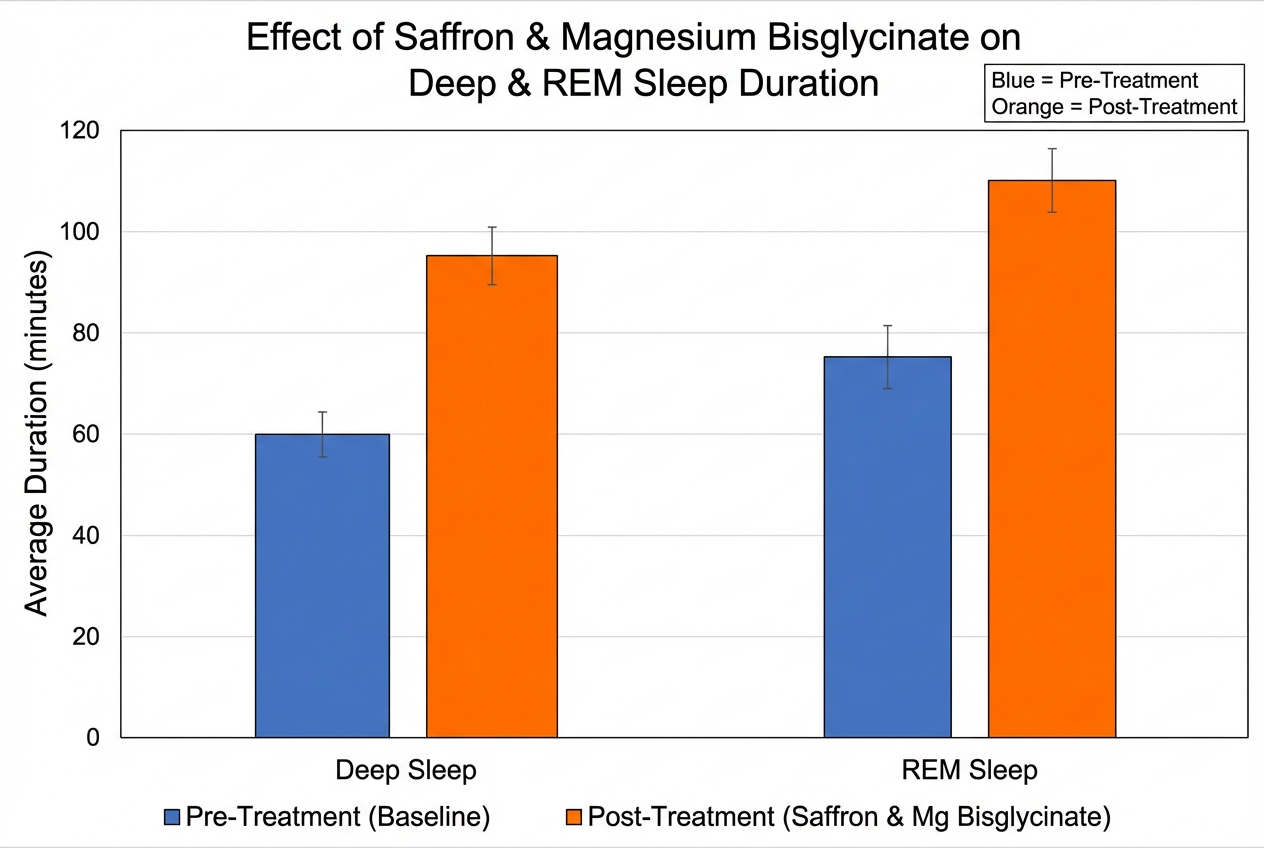
Saffron helps regulate hunger hormones that cortisol tends to elevate, while magnesium bisglycinate supports the nightly shift into recovery where cortisol naturally resets. A clinical trial recorded a 44% improvement in sleep quality scores with this combination, alongside reduced food noise on GLP-1.
Ginger Extract (Gingerol-Standardized)
Supports gut-brain signaling and inflammation associated with elevated cortisol.
Compounds in standardized ginger extract have been shown to support gut-brain signaling and reduce inflammatory markers linked to cortisol.
For GLP-1 users, the practical effect is improved medication absorption alongside muscle protection.
The Complete Protocol
These compounds were combined into a single daily protocol — Recovery Foundation by Zafira Organics — formulated at therapeutic doses in a format designed to be gentle on a sensitive stomach.
- L-Theanine — Lowers cortisol within 60 minutes of intake
- Saffron Extract — Reduces cortisol-driven cravings, supports deep sleep
- Magnesium Bisglycinate — Required for cortisol regulation, depleted by GLP-1 use
- Ginger Extract — Reduces inflammation, restores GLP-1 receptor sensitivity
- Myo-Inositol — Regulates the insulin response cortisol disrupts
- Zinc & Copper — Protects hair follicles from cortisol-driven shedding
- B12 & D3 — Supports adrenal function and cortisol metabolism
- Vitamin C — Fuels the adrenal glands that regulate cortisol output
What Users Report
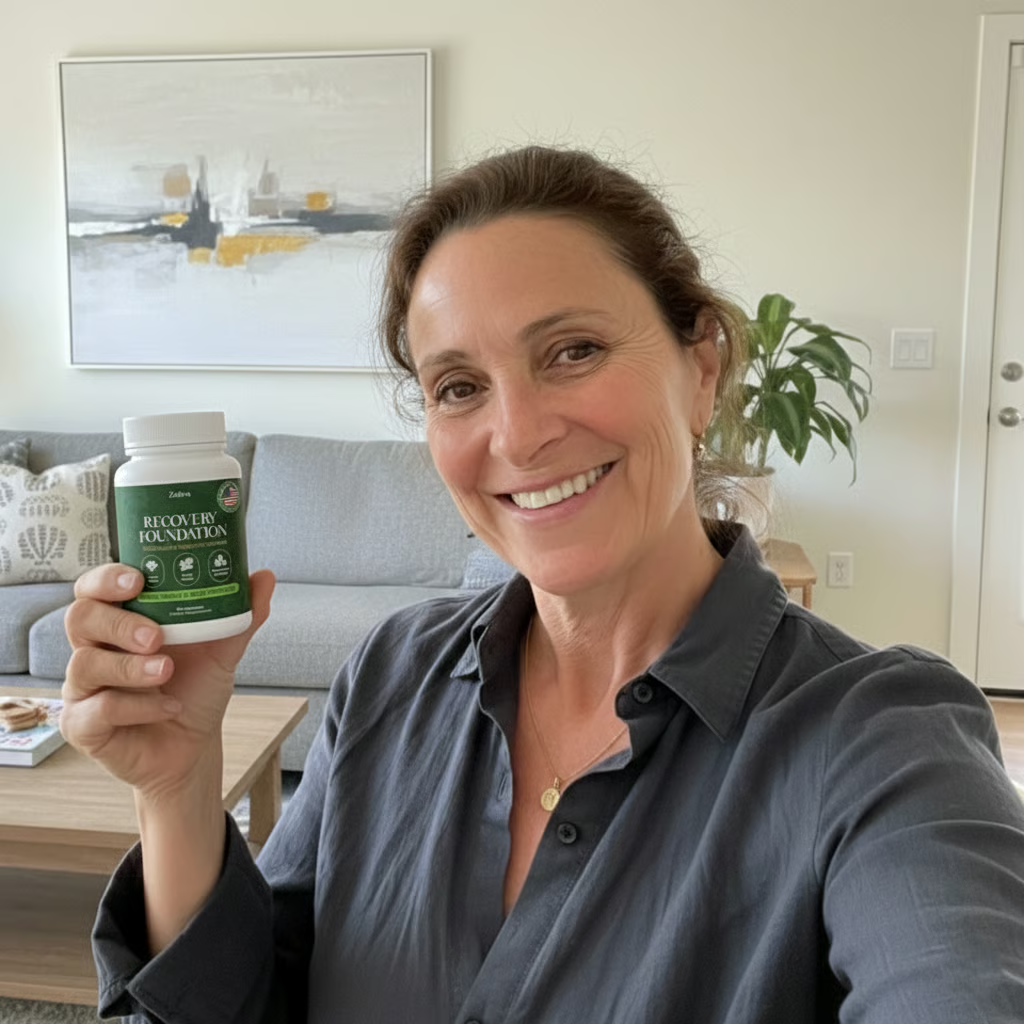
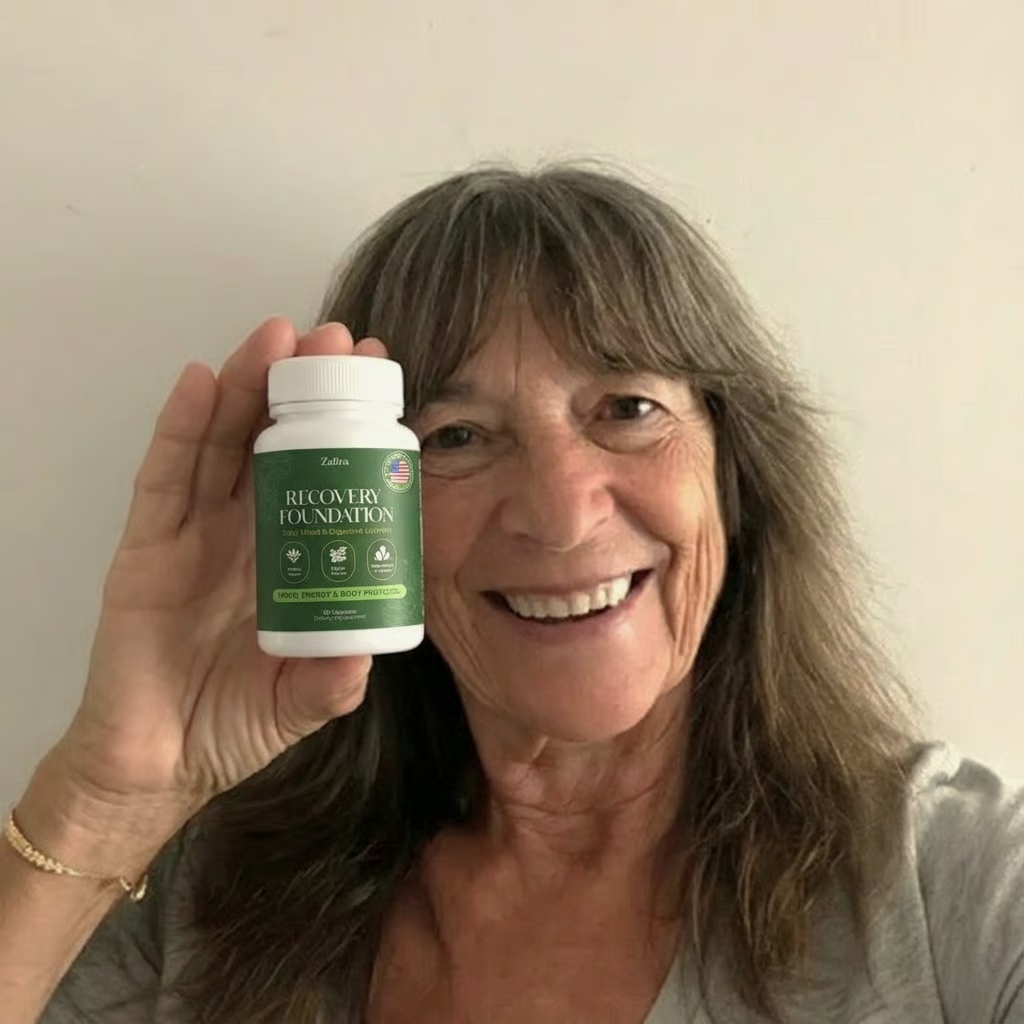
Exhaustion lifts — the "wired but tired" feeling gives way to steady energy.
Sleep improves — falling and staying asleep becomes easier.
Food noise stays quiet — even in the days before the next dose.
Muscle is preserved — users with lower cortisol report less muscle loss on GLP-1.
Plateaus break — weight loss resumes once the body registers it's safe to continue.
Hair shedding slows — follicles exit the resting phase cortisol triggered.
The Bigger Picture
Six months from now, most people reading this will still be on their GLP-1. The real variable is which version of those six months plays out.
Left unaddressed, elevated cortisol tends to compound — continued hair loss, continued muscle loss, and a slower baseline metabolism that makes long-term maintenance harder, which is part of why regain is so common after stopping treatment.
Addressed early, plateaus tend to be shorter and less costly to hair and muscle mass.
The difference largely comes down to whether cortisol is part of the plan.
Ready to Address Your Cortisol?
If you don't notice a difference in your plateau, sleep, hair, or how you feel on your medication within 60 days, the research stands behind a full refund — no ambiguity, no fine print.
Start My ProtocolWhat GLP-1 Users Are Reporting
Try It For 60 Days, Risk-Free
If you don't see a difference, you don't pay.
Recovery Foundation · By Zafira OrganicsNote: This product is not intended to replace medical advice. Always consult your healthcare provider before starting any new supplement, especially if you're on prescription medications.
Ozempic, Wegovy, and Mounjaro are registered trademarks of their respective owners. This product is not affiliated with or endorsed by these companies.
These statements have not been evaluated by the Food and Drug Administration. This product is not intended to diagnose, treat, cure, or prevent any disease.
Individual results may vary. Results described in testimonials and case studies are not typical, and your experience may differ.
This article is for informational purposes only and is not intended as a substitute for advice from your physician or other healthcare professional. Do not discontinue or modify your prescribed GLP-1 medication without consulting your physician.
Any references to scientific studies, researchers, or institutions are for informational context only and do not imply endorsement of this product.
This is a paid advertisement for Zafira Organics and is not an actual news article. The opinions expressed here are for promotional purposes only.