Plateaus, Hair Shedding and Muscle Loss — Is Cortisol the Biggest Enemy of GLP-1 Weight Loss?

47,329 views
- Is My Cortisol Elevated? How It Affects Weight Loss
- How Cortisol Fights Your GLP-1 Progress
- How Do I Know It Is Cortisol? The Symptoms
- A Documented Case: 3-Month Plateau on Ozempic
- Cortisol Lowering — The Most Effective Treatment
- Why Isn't My Doctor Testing for It?
- How Do I Break Through the Cortisol Loop?
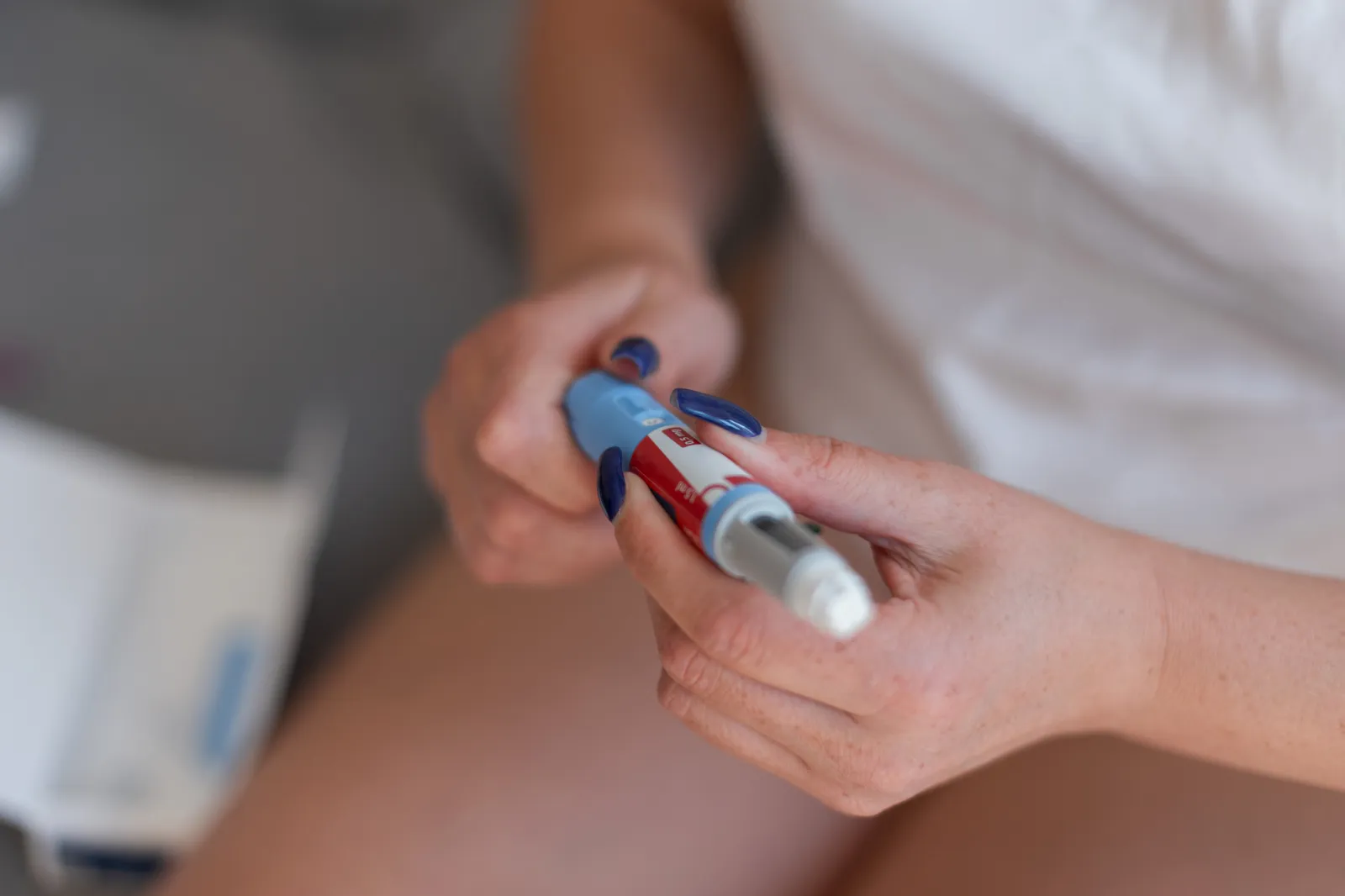
If you are on any GLP-1 medication for weight loss, appetite regulation, or general health improvement — and your progress has recently slowed down, or you're experiencing side effects you didn't expect — there might be a single root cause behind most of it.
In 2026, GLP-1 researchers keep pointing to the same finding: cortisol directly fights the mechanisms of GLP-1s — slowing the metabolism, bringing back the food noise, and burning muscle.
And lowering cortisol may be a way to make your GLP-1 journey safer, more efficient, and healthier long-term.
In this article, we gathered the recent studies and clinical evidence available to answer one question: is cortisol the biggest enemy of GLP-1 weight loss — and what can you do to stabilize it?
How Do I Know If My Cortisol Levels Are Elevated, and How Does It Affect My Weight Loss?
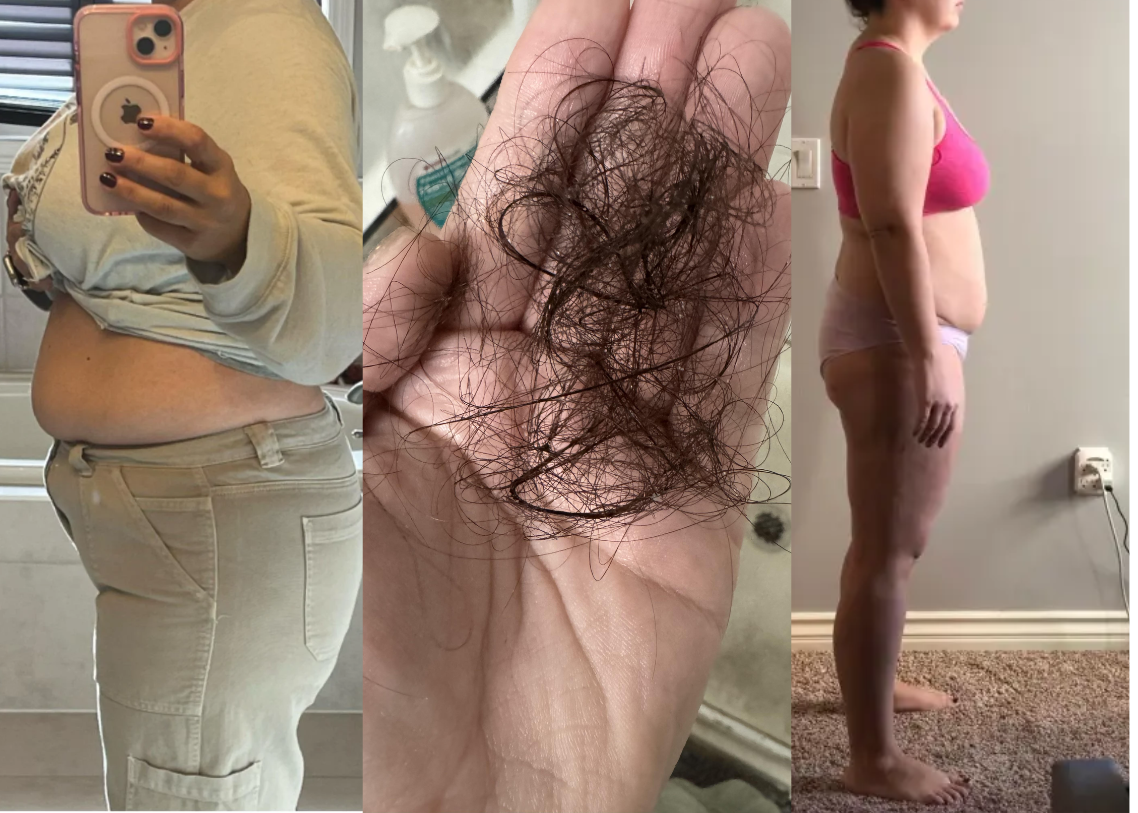
A cortisol test isn't part of standard GLP-1 panels — but the body shows visible cues you can read on your own.
While the cortisol test is currently not part of any classic GLP-1 blood panel, most of the time it shows visible cues that you can feel or see.
And the common misconception about cortisol is that it elevates based on your mental stress — a bad day at work, an argument with your partner, etc. Yes, this is a part of it, but a very small part.
But any person who tried dieting before knows that cortisol can be elevated even if you had a calm and peaceful day at work followed by an "evening routine" and 8 hours of sleep. For GLP-1 users, however, the science is even more interesting:
Studies from University of Basel (2017), University of London (2018) and Georgia State (2024) all say the same thing:
In plain English, it means that the initial cortisol spike doesn't only come from calorie deficit (which also raises cortisol) or your stress. It comes from the medication directly.
How Cortisol Fights Your GLP-1 Progress
Our bodies don't know the world has become a much safer place than it was a 1000 years ago. Now people are way more concerned with losing weight rather than storing calories. But our biology is still the same — that's our survival mechanism.
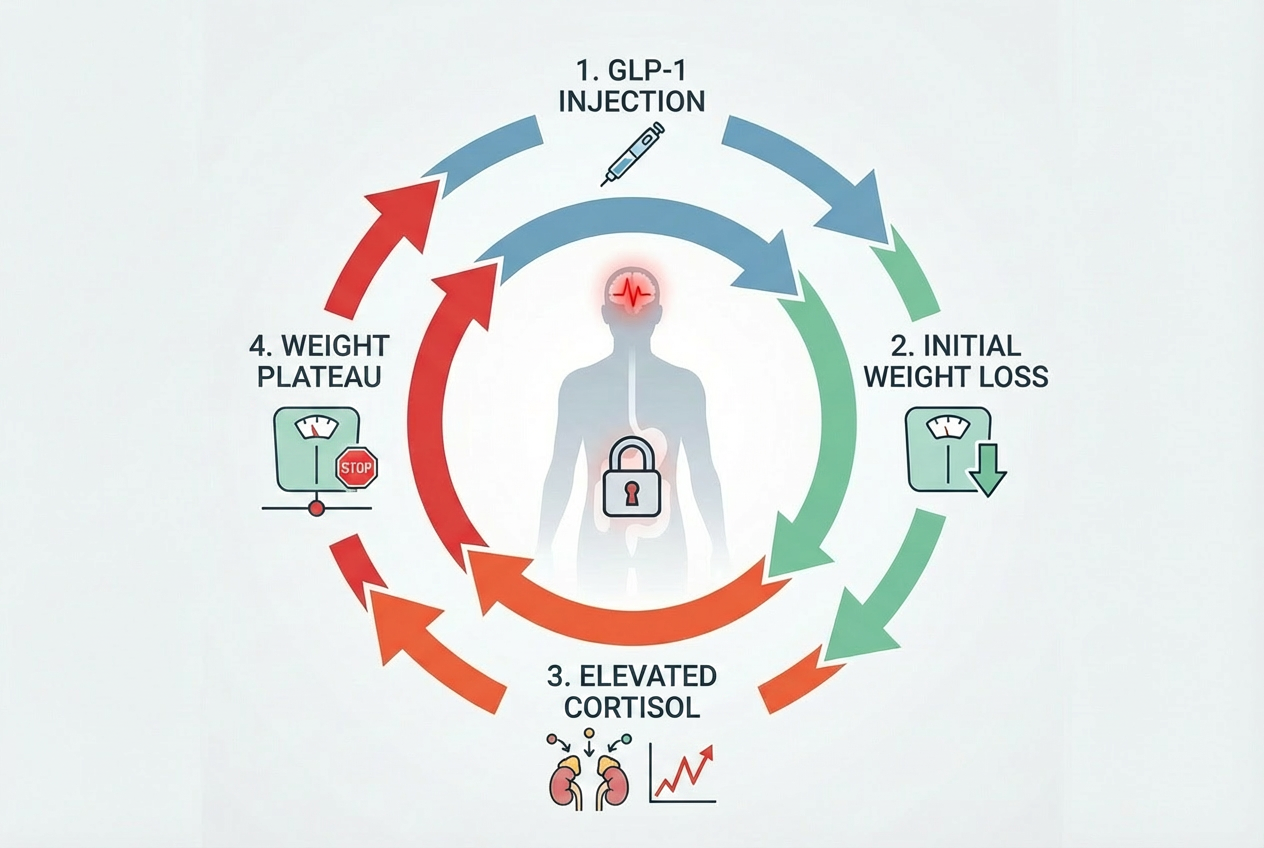
The simplest way to understand it: your medication and your cortisol are pulling your body in opposite directions.
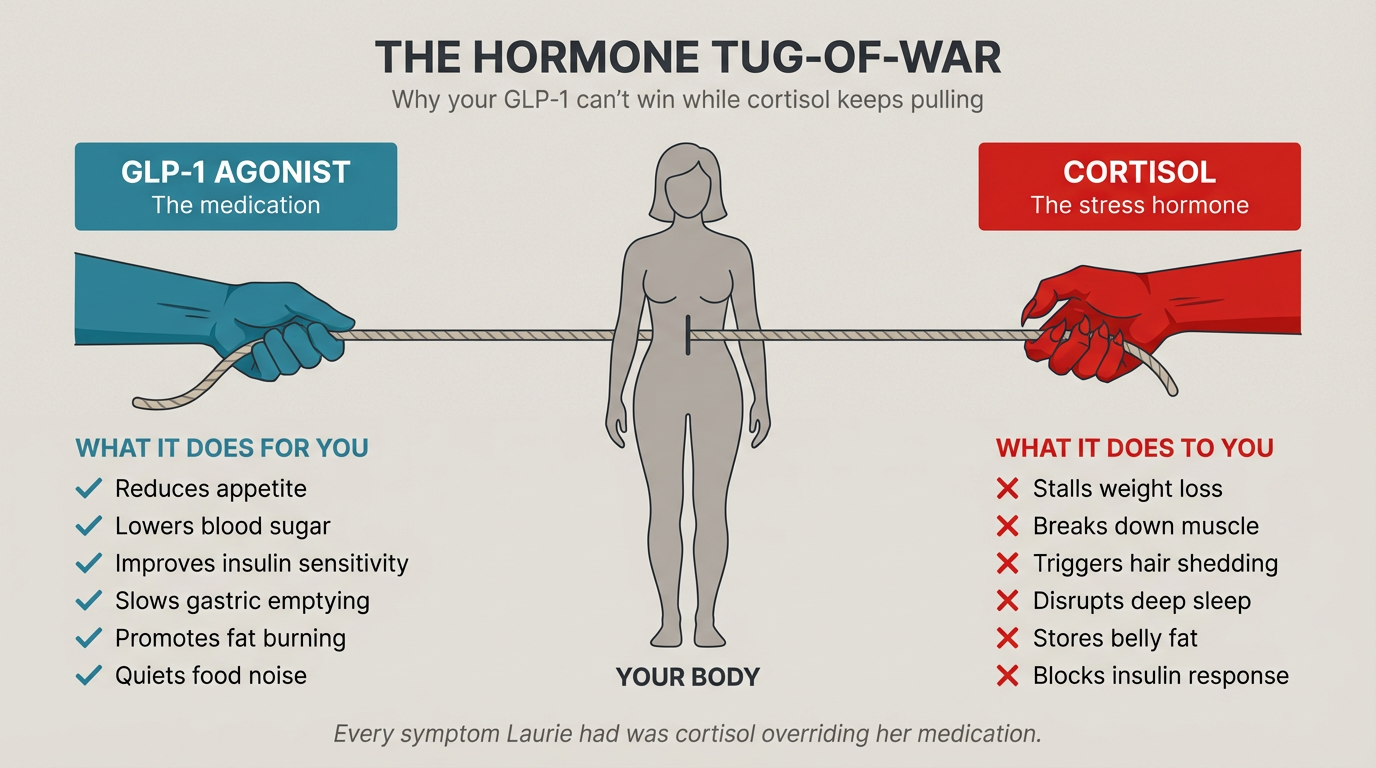
The cortisol spike tells your brain: "Hold on to fat, be hungry, eat, let the muscle go, we don't need hair for survival." While GLP-1 tells us: "We just had a huge meal, we don't need food, let's burn more fat, take your time to digest everything."
For some users, this tug-of-war is mild — slower weight loss, occasional fatigue. For others, it's strong enough to plateau completely and trigger a pattern of symptoms that doctors often attribute to the medication itself: hair shedding, muscle loss, broken sleep, returning appetite, persistent exhaustion.
These aren't random side effects. They're signs that cortisol is overriding the medication.
My Weight Loss Recently Slowed or Plateaued. How Do I Know It Is Cortisol?
Here are the most common cues that our body uses to tell us: "I don't feel safe, my stress hormones are high." If you experience these, it might be a common sign that elevated cortisol levels are stalling your progress:
Disrupted Sleep
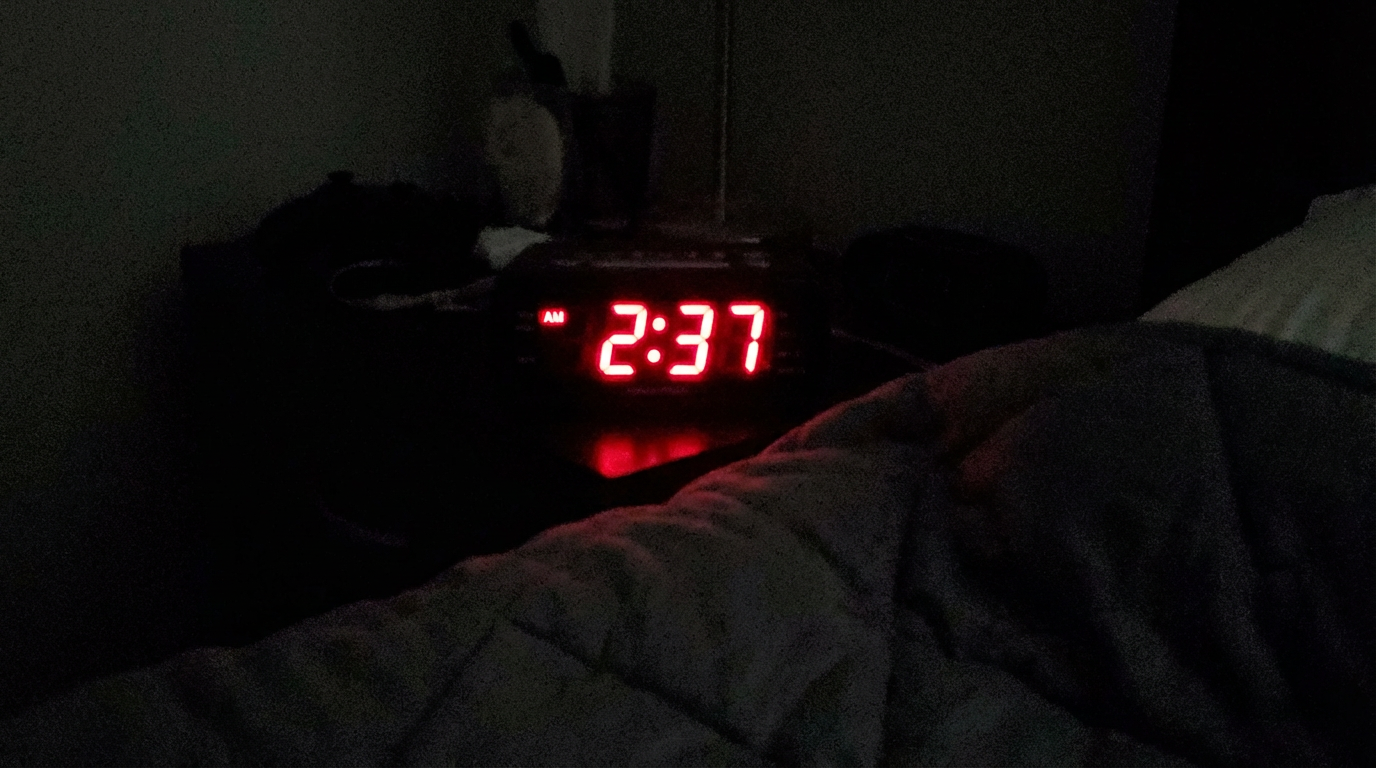
This is a very commonly overlooked symptom, especially since "disrupted sleep" has multiple root causes, and every now and then it happens to every one of us. But make no mistake: disrupted sleep on GLP-1 is a huge indicator of elevated cortisol levels.
Our natural rhythm stimulates cortisol to spike after we wake up, and rest when we sleep. That's how we get a deep, restorative sleep at night: our hunger hormones reset and metabolism works.
It is also one of the strongest cortisol elevators known in clinical research. Which creates a very dangerous loop. The medication raises cortisol → cortisol disrupts sleep → broken sleep raises cortisol further.
So experiencing disrupted sleep while on GLP-1 is not only a sign of elevated cortisol, but also of the cortisol accumulation: not addressing it could accumulate more cortisol over time, which is very likely to influence your weight loss progress and cause a plateau or significant muscle loss.
Muscle Loss and Physical Weakness
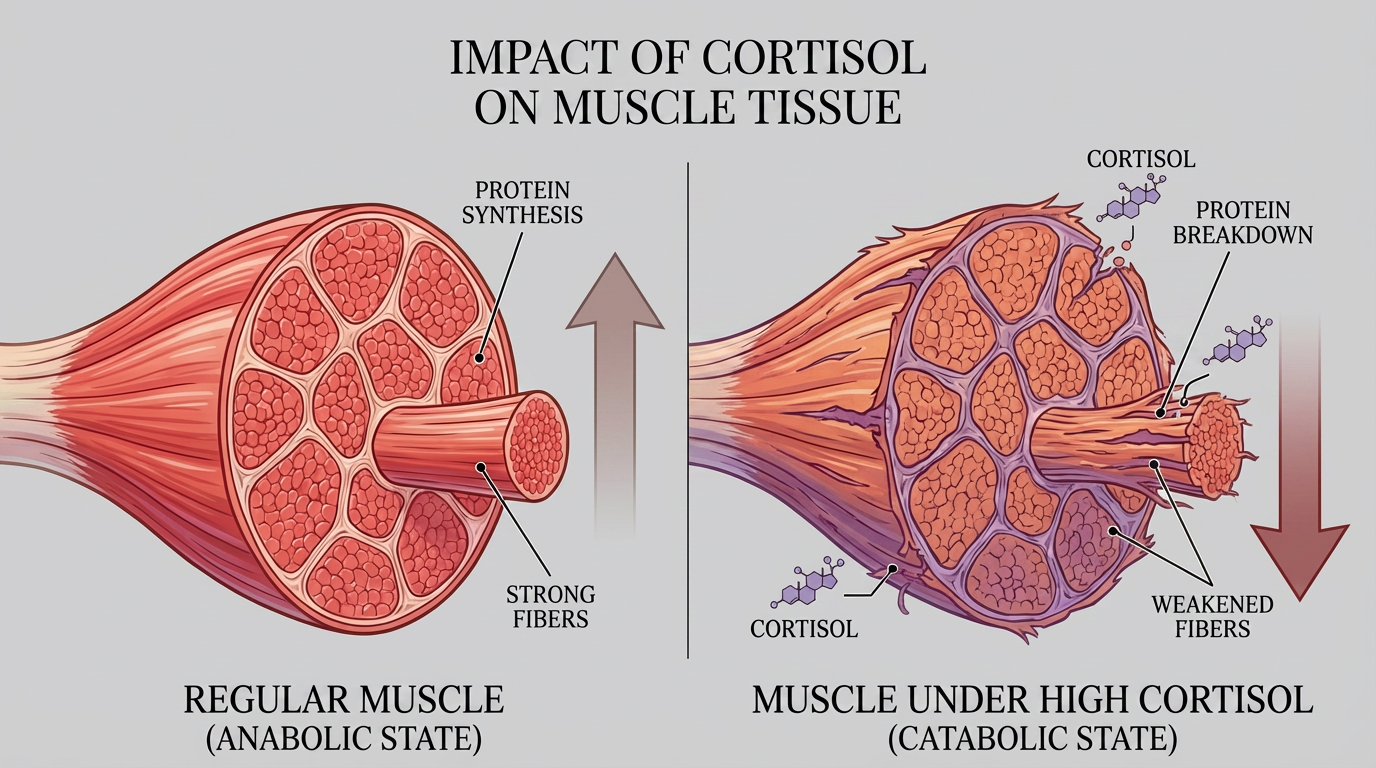
If you are noticing significant muscle loss despite eating enough protein, this is also a very common sign of high cortisol levels. This symptom is more visible the longer you are on GLP-1 — most users notice it after 6+ months of weight loss, reporting that they become physically weaker, and their body losing the structure.
Cortisol is what makes our body "eat" our own muscle while losing weight instead of fat. Because the whole mission of cortisol is to "pause" your metabolism, make your body burn less calories in a day. And muscle is the exact tissue that burns calories and makes your metabolism work.
This also creates a loop — which is especially dangerous if you're planning to eventually lower your GLP-1 dose or quit them. The less muscle you save, the slower your baseline metabolism is going to be long term.
Hair Loss
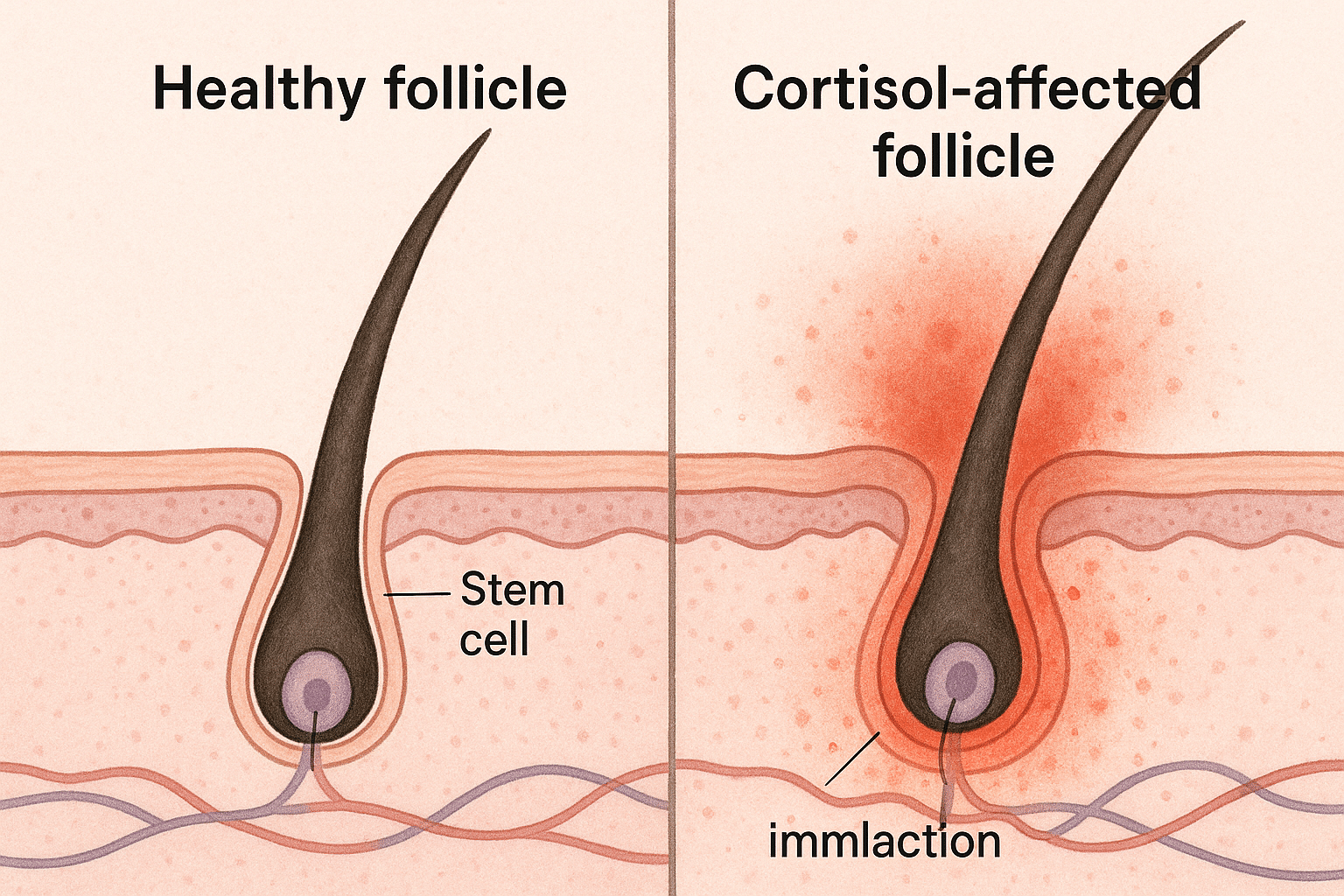
Telogen effluvium (an early entrance of hair follicles into resting phase) is directly linked to high cortisol levels.
This is a very visible sign that displays the consequence of cortisol accumulating for months.
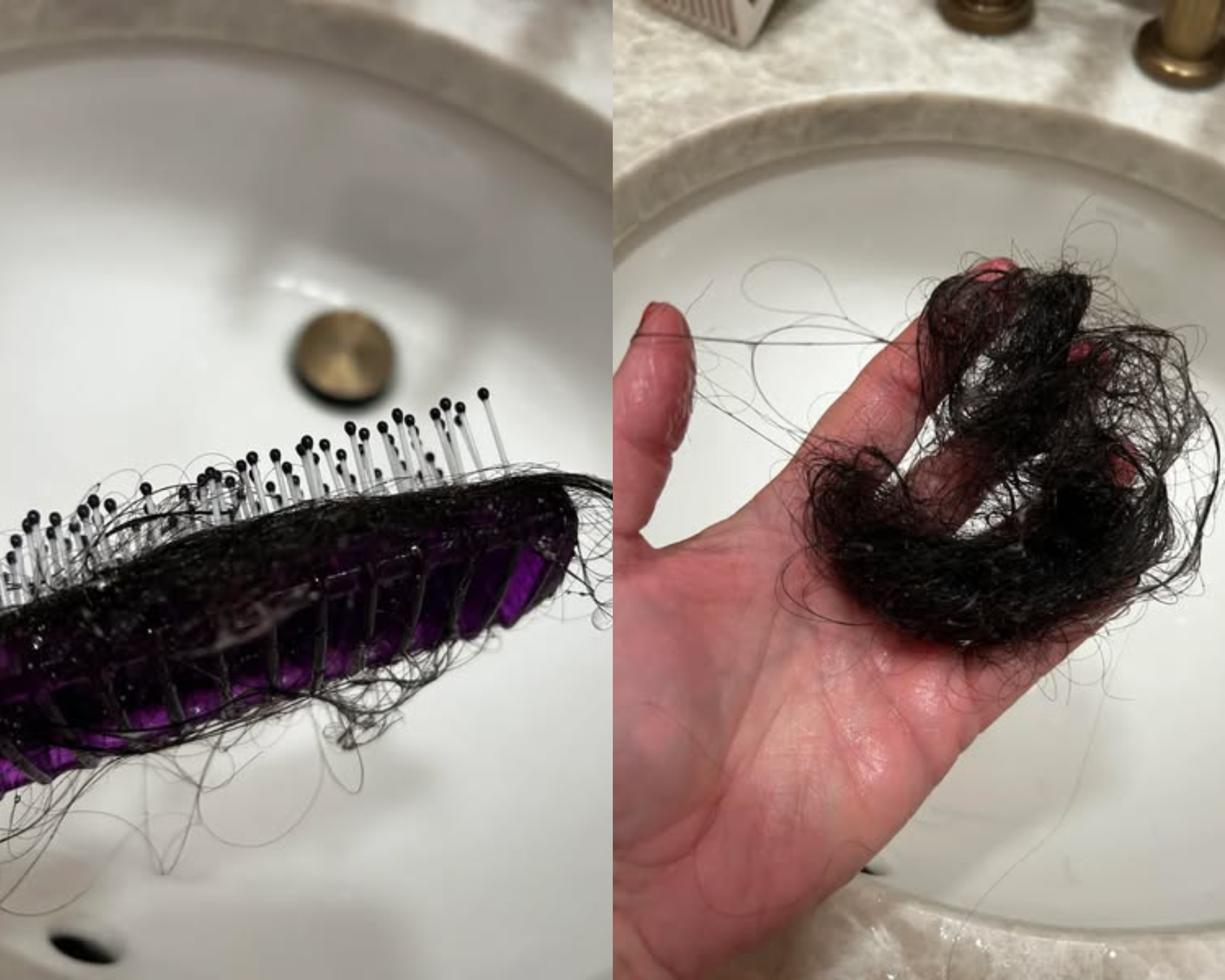
When your shot raises cortisol, it disrupts your sleep, raises cortisol even more, and breaks the muscle down, the body begins shutting down everything it considers non-essential. And hair follicles are non-essential to your body.
The plateau and the hair shedding are often not separate problems. They are the result of one hormonal root cause — elevated cortisol levels. So is muscle loss, disrupted sleep, return of food noise and cravings, fatigue, the "wired but tired feeling" and the loss of motivation.
In a Published Study, a Woman on Ozempic Plateaued for 3 Months. Cortisol Was the Reason.
A case study published on ScienceDirect in 2025 documented exactly this pattern in a real patient.
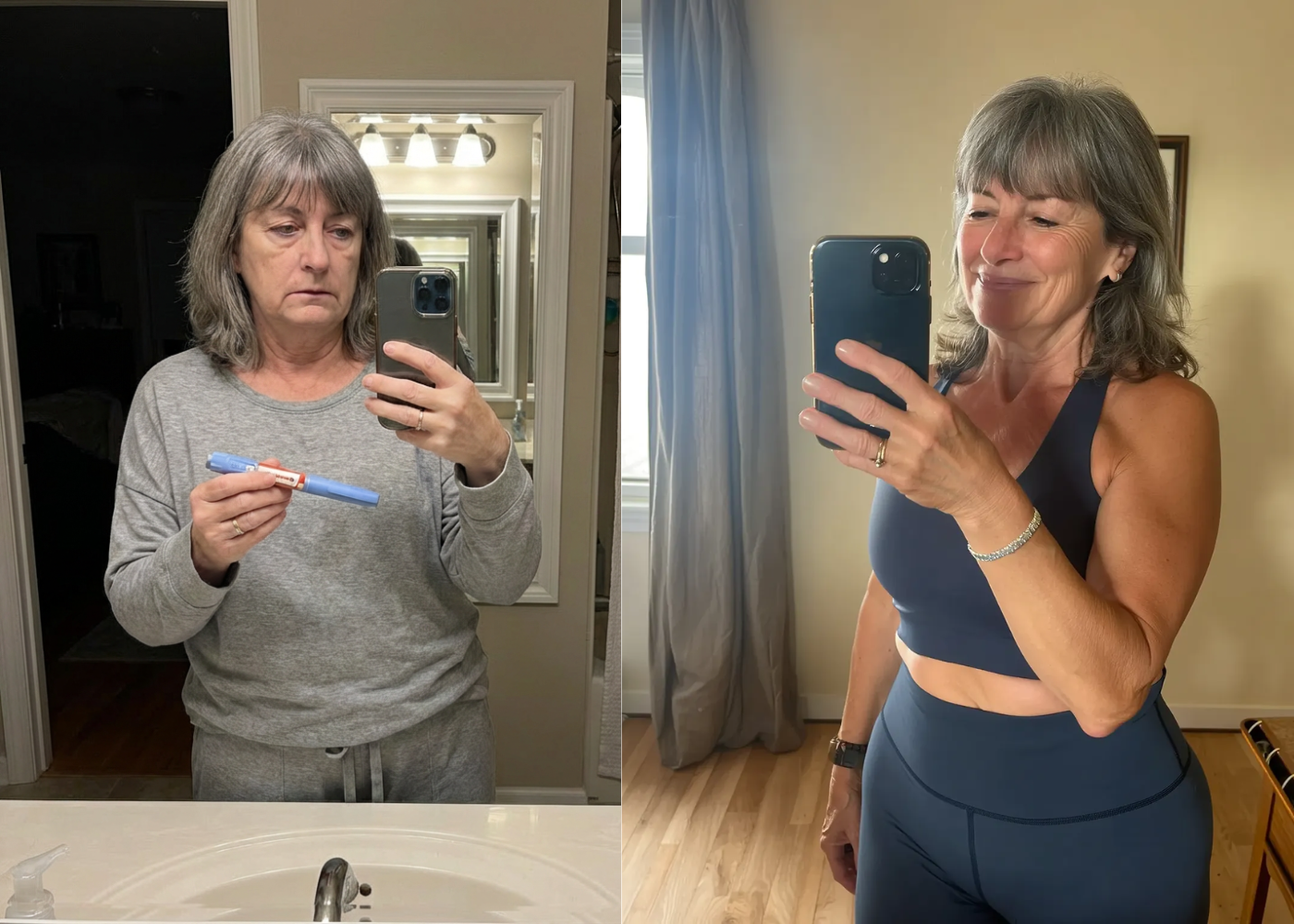
A woman on semaglutide lost 42 pounds in the first seven months. Then her weight loss completely stopped and hadn't moved for 3 months.
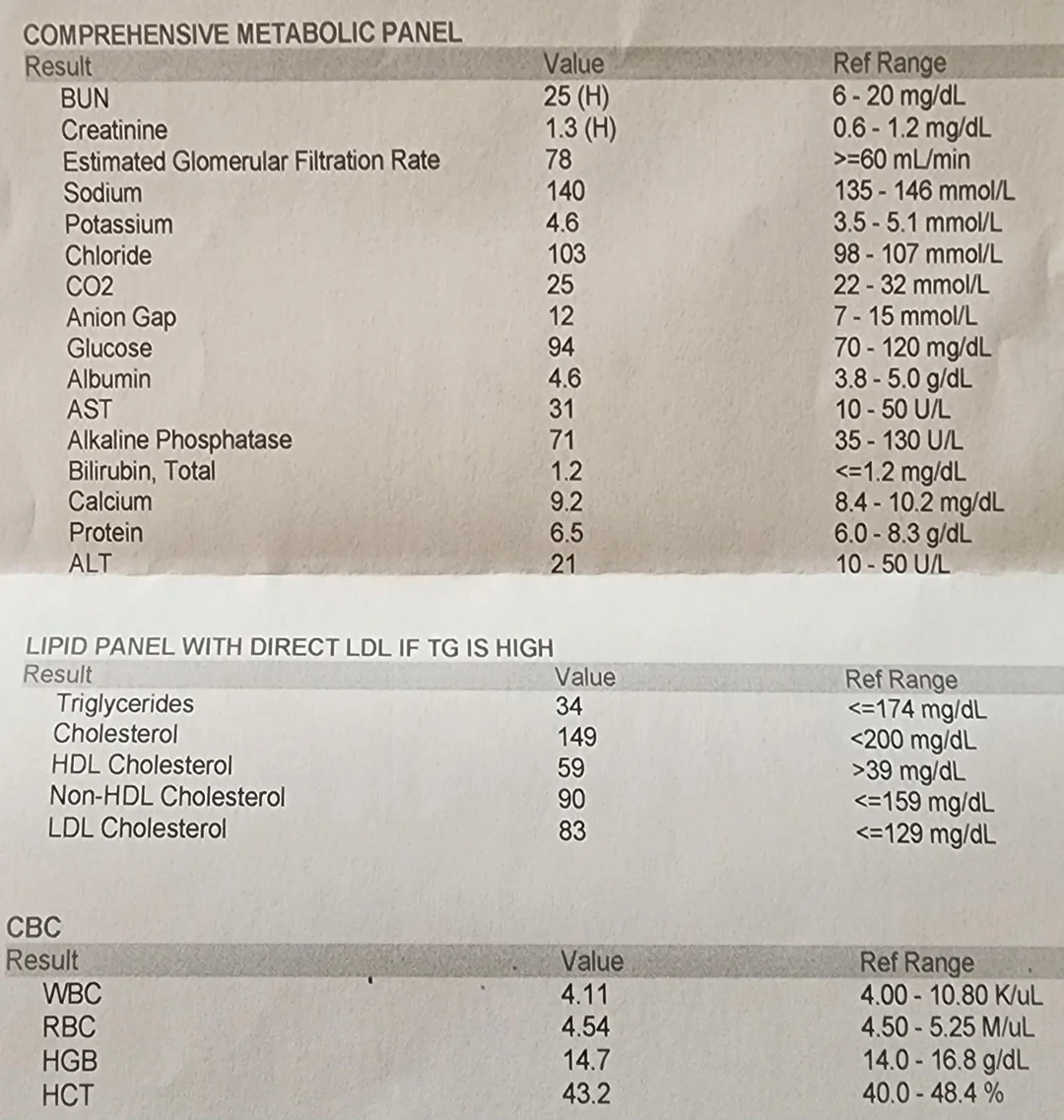
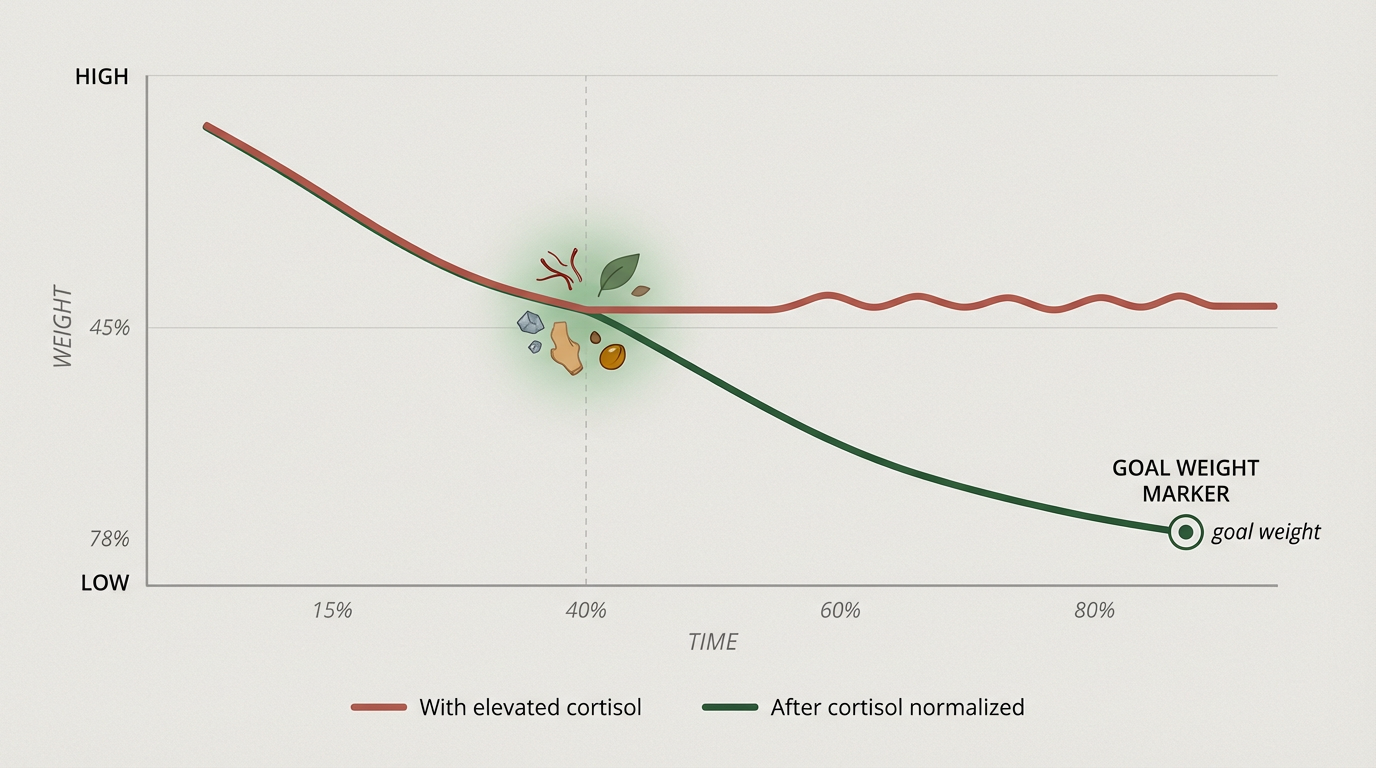
Her bloodwork — thyroid, liver, kidneys, glucose — all came back normal. When her endocrinologist recognised the symptoms and tested her cortisol levels, it came back elevated.
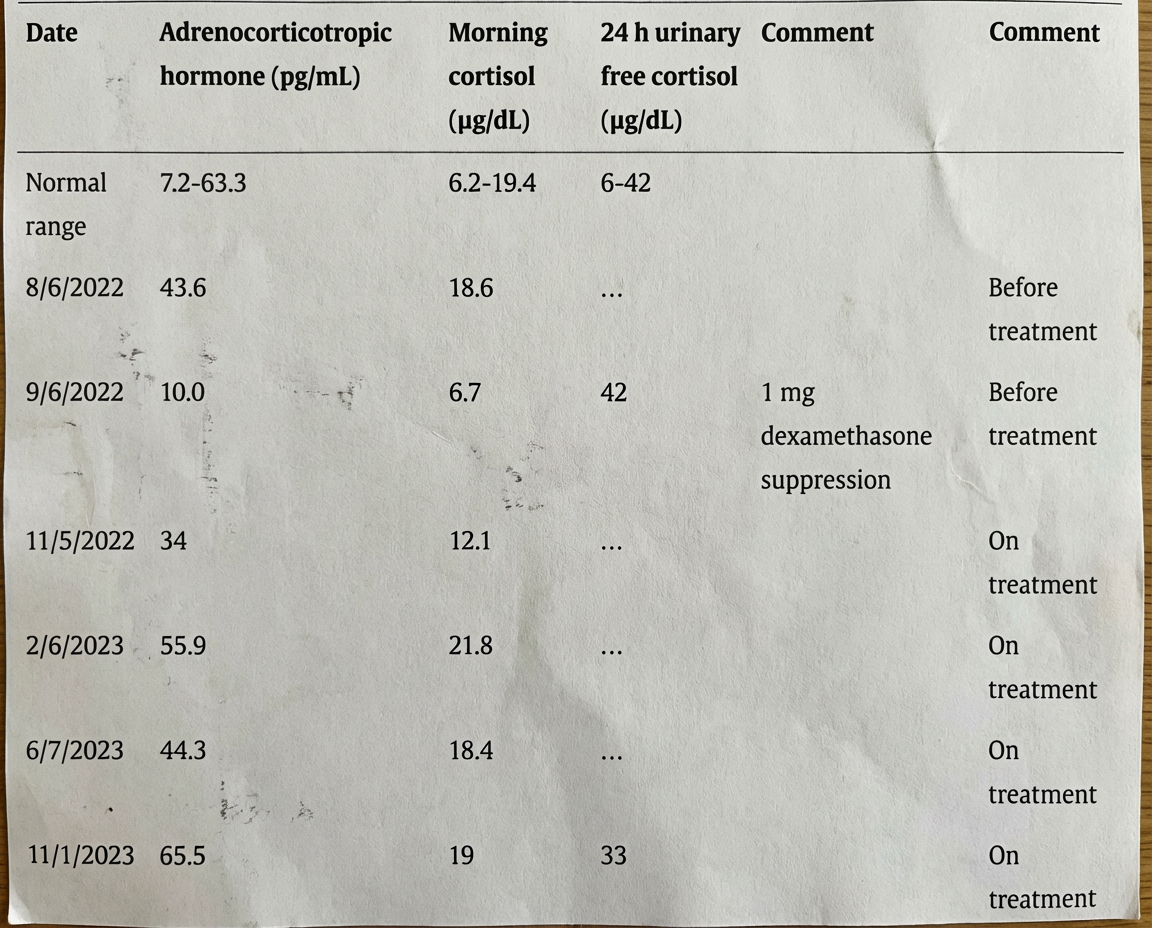
Her body was overproducing cortisol — and it was fighting her medication at every level. After they added a cortisol-lowering treatment, she lost an additional 47 pounds, on the same dose of the GLP-1 medication.
This case is just an echo of what is happening in the scientific world right now.
Cortisol Lowering Is Becoming the Most Effective Treatment for GLP-1 Results.
Researchers at Georgia State University, in collaboration with Emory University, tested what happens when GLP-1 treatment is combined with a cortisol-lowering intervention.
These findings stood out: first — directly quoting the researchers — the combination produced "greater weight loss — and importantly, better weight loss quality." Less cortisol = more fat lost. More muscle preserved.
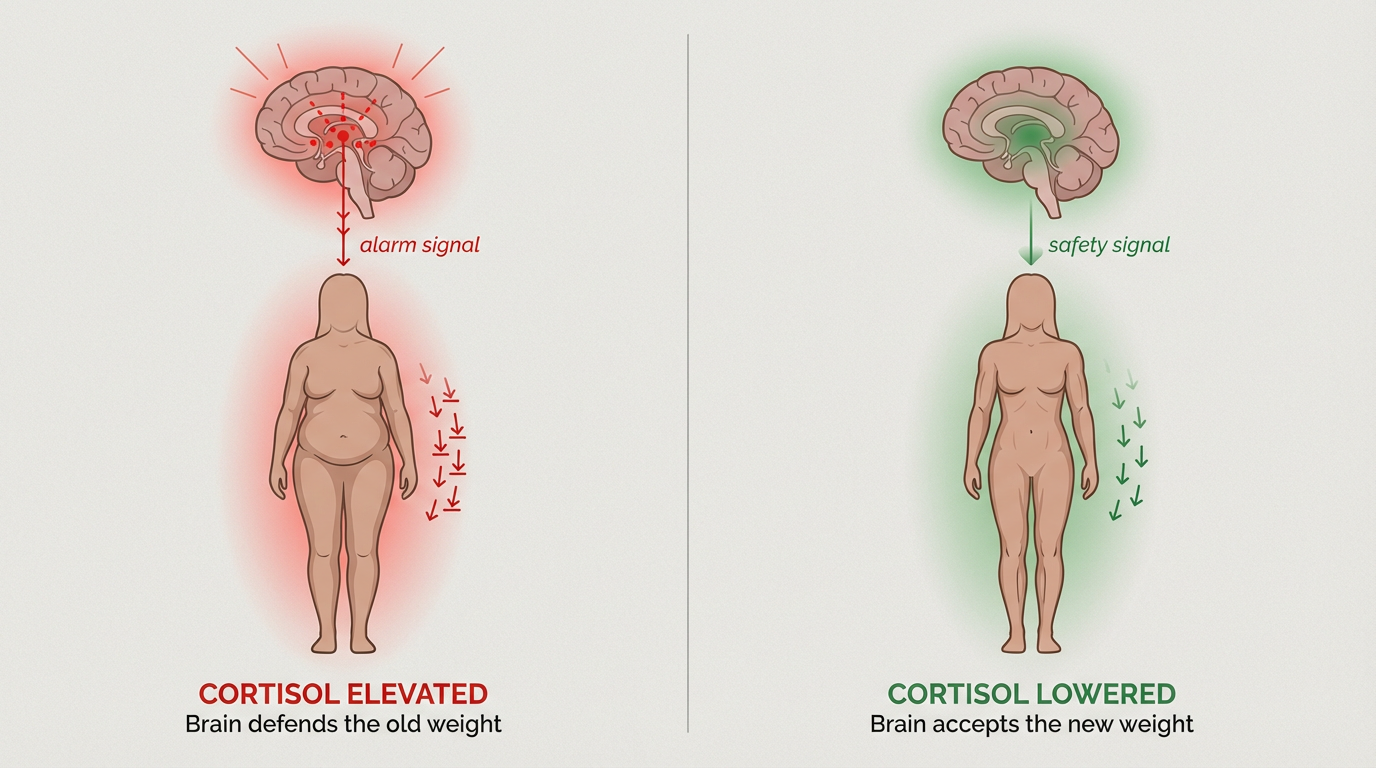
Second: when the GLP-1 medication was discontinued but cortisol support continued, the subjects maintained their weight loss. They did not regain.
That second finding suggests that lowering stress hormones may actually help reset the brain to defend a lower body weight, which could be transformative.
This means lowering your cortisol levels along with the GLP-1 treatment may not only support your weight loss, but make your body feel safe to "accept" the new body and new weight, and actually maintain it.
This is brilliant news for every GLP-1 user, because the main "villain" that stalls your progress can actually be defeated, and your weight loss preserved.
Why Isn't My Doctor Testing for It?
This is a very frustrating part about the current system: cortisol testing is not part of any GLP-1 prescribing guideline. Endocrinologists only order cortisol panels when they suspect a serious endocrine disorder like Cushing's syndrome — not to investigate a weight loss plateau.
And because cortisol management is not yet recognized as a standard of care, insurance does not cover it. Not the testing. Not the treatment.
How Do I Break Through the "Cortisol Loop"?
There is a pharmaceutical route for lowering cortisol — medications designed specifically to block it. In the ScienceDirect case, that's what the endocrinologist added. It worked.
But that path is effectively closed to most GLP-1 users. These medications require a prescription most endocrinologists won't write for weight loss — they're approved for conditions like Cushing's, not for plateaus. Insurance won't cover off-label use. And they come with their own side effect profile you'd have to manage on top of the GLP-1.
The good news is there's a second path — and it's one most GLP-1 users haven't been told about. For decades, specific natural compounds have been studied for cortisol reduction — with published, peer-reviewed trials showing measurable cortisol drops.
We wanted to see: what would make a difference for GLP-1 users specifically? So we teamed up with researchers at Zafira Organics to do exactly that. Based on the available research, we assembled a protocol that is highly effective and completely safe to take along with your GLP-1 medication.
L-Theanine
Lowers salivary cortisol within 60 minutes of intake.
L-Theanine was the first. We went through adaptogens, herbs, and amino acids. Most either didn't cross the blood-brain barrier or took months to build up in the system. L-Theanine was different.
A study published in Nutrients showed it reduced salivary cortisol within 60 minutes of intake.
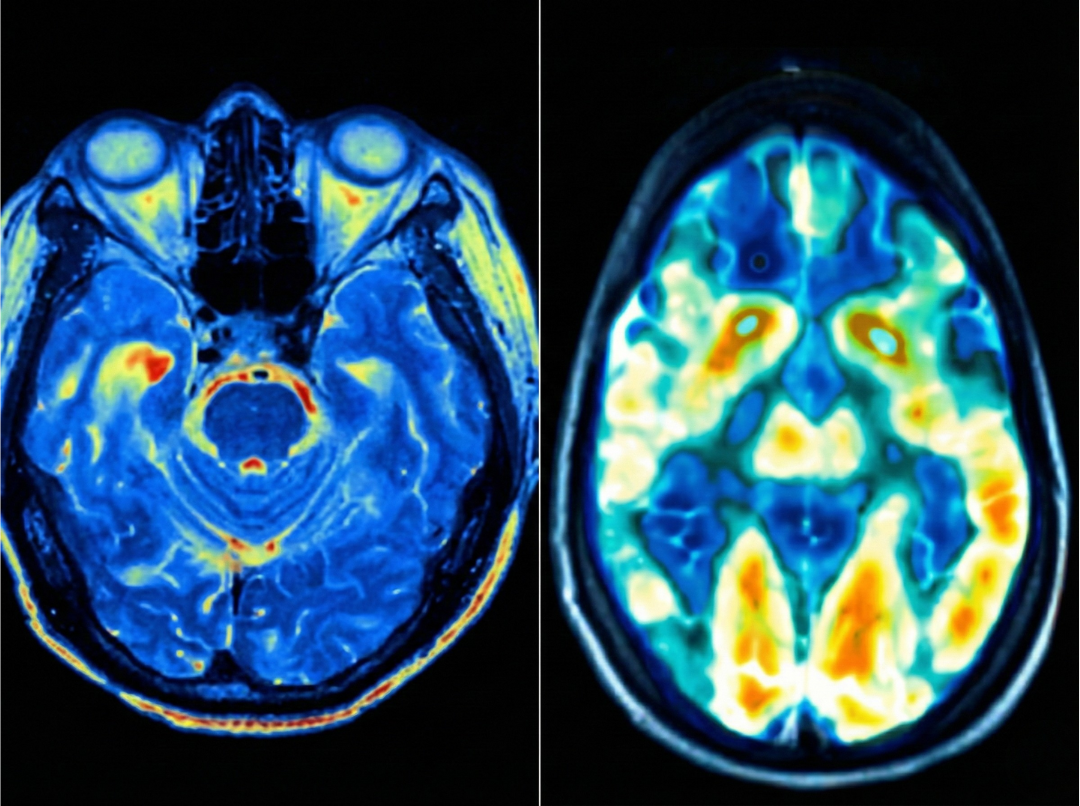
For GLP-1 users, this is critical — because cortisol is what locks fat cells in storage mode, breaks down muscle tissue, and drives the food cravings back up even on the highest dose. L-Theanine lowers cortisol fast enough to let the medication do its job on the same day you take it.
Saffron & Magnesium Bisglycinate
Addresses the two cortisol-driven symptoms GLP-1 users struggle with most.
Individually, both compounds have solid clinical data for cortisol reduction. But paired together, they address the cravings that come back during a plateau, and the broken sleep that keeps cortisol elevated in the first place.
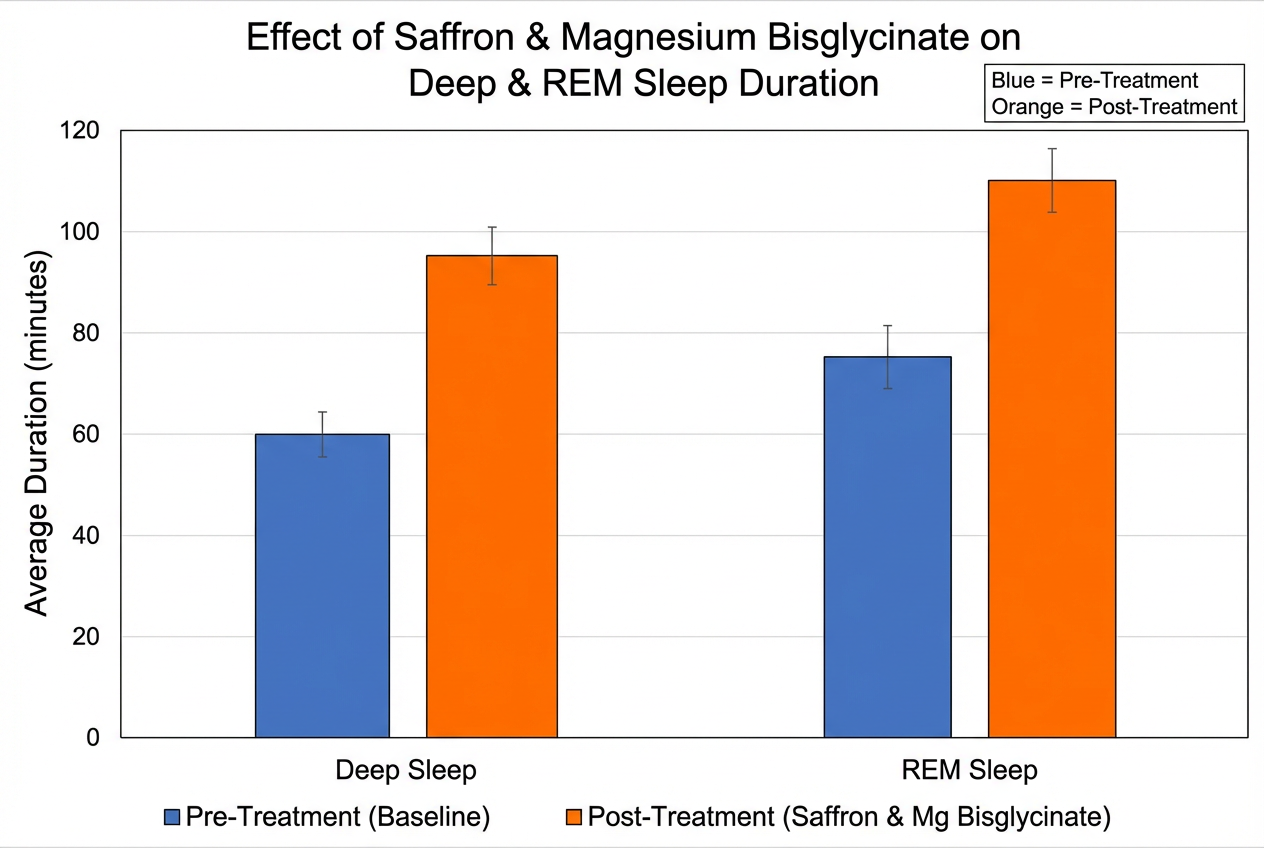
Saffron directly regulates the hunger hormones that cortisol pushes back up. Magnesium Bisglycinate is the mineral your body needs to downshift into recovery at night — the state where cortisol actually resets overnight.
A clinical trial showed this combination improved sleep quality scores by 44%, and substantially reduced the chance of food noise returning while on GLP-1.
Ginger Extract (Gingerol-Standardized)
Restores gut-brain signaling. Clears GLP-1 receptor inflammation.
Active compounds in ginger extract have been shown to restore gut-brain signaling and reduce the inflammatory markers that cortisol elevates throughout the body.
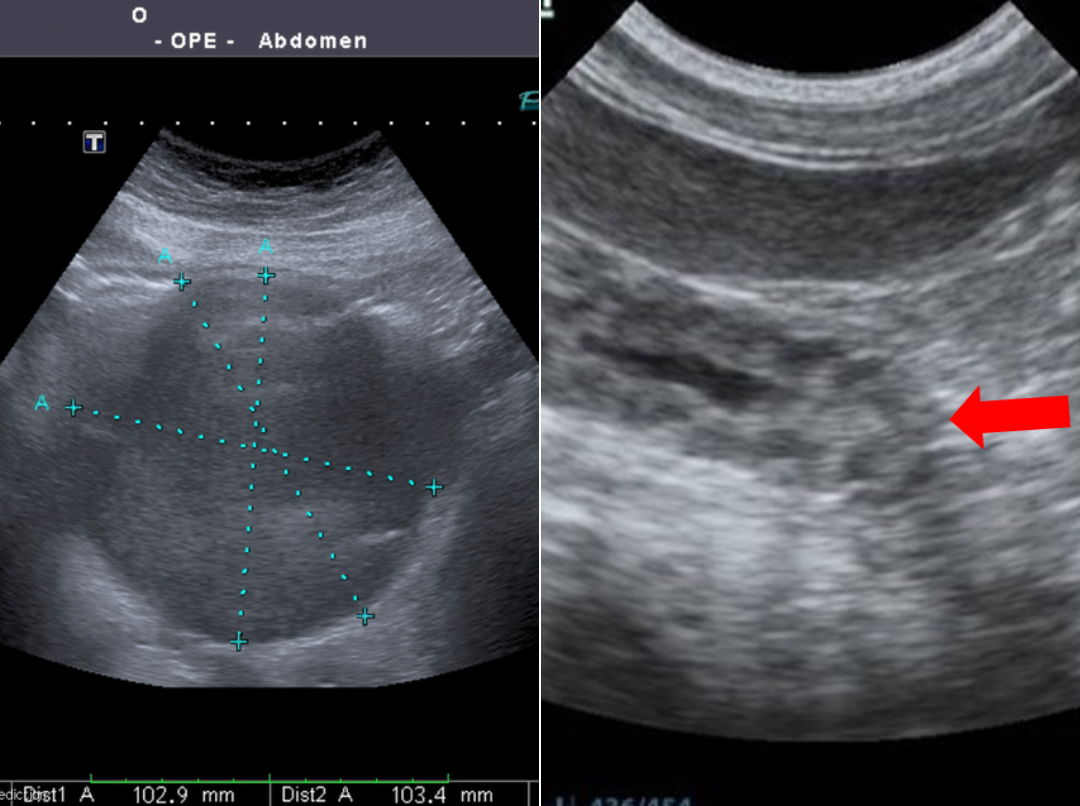
The practical effect for GLP-1 users: your medication reaches more cells, which increases the fat-burning effect, while protecting the muscles.
So Now We Had the Blueprint.
These specific compounds could help millions of people continue their weight loss — but with significantly better results. To deliver these nutrients in therapeutic doses, we had to deliver them in a single, easy-to-digest format that wouldn't upset a sensitive stomach.
This is how we made the Recovery Foundation: the complete protocol. We compiled every compound with strong clinical evidence for cortisol regulation in the context of GLP-1 therapy into a single daily protocol. That protocol is Recovery Foundation by Zafira Organics.
- L-Theanine — Lowers cortisol within 60 minutes of intake
- Saffron Extract — Reduces cortisol-driven cravings, supports deep sleep
- Magnesium Bisglycinate — Required for cortisol regulation, depleted by GLP-1 use
- Ginger Extract — Reduces inflammation, restores GLP-1 receptor sensitivity
- Myo-Inositol — Regulates the insulin response cortisol disrupts
- Zinc & Copper — Protects hair follicles from cortisol-driven shedding
- B12 & D3 — Supports adrenal function and cortisol metabolism
- Vitamin C — Fuels the adrenal glands that regulate cortisol output
What Happened When We Put It All Together.
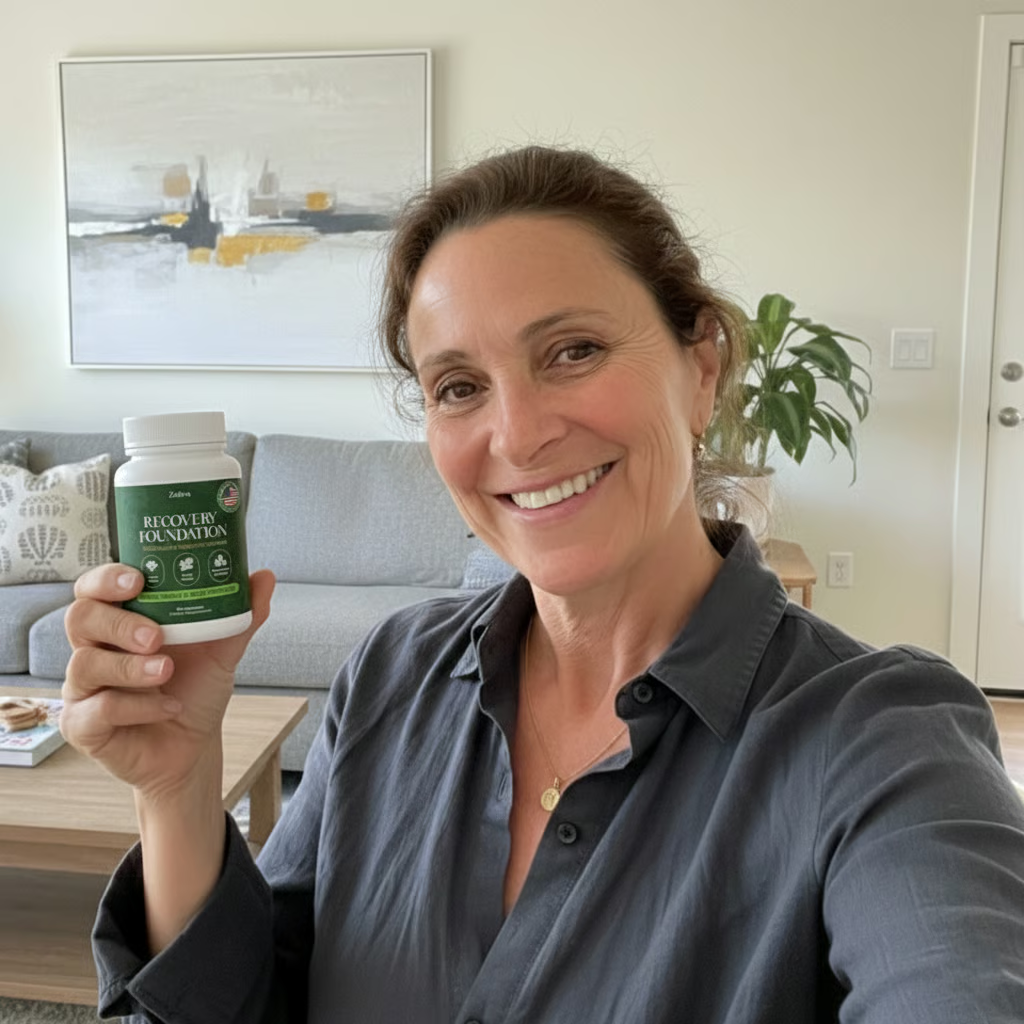
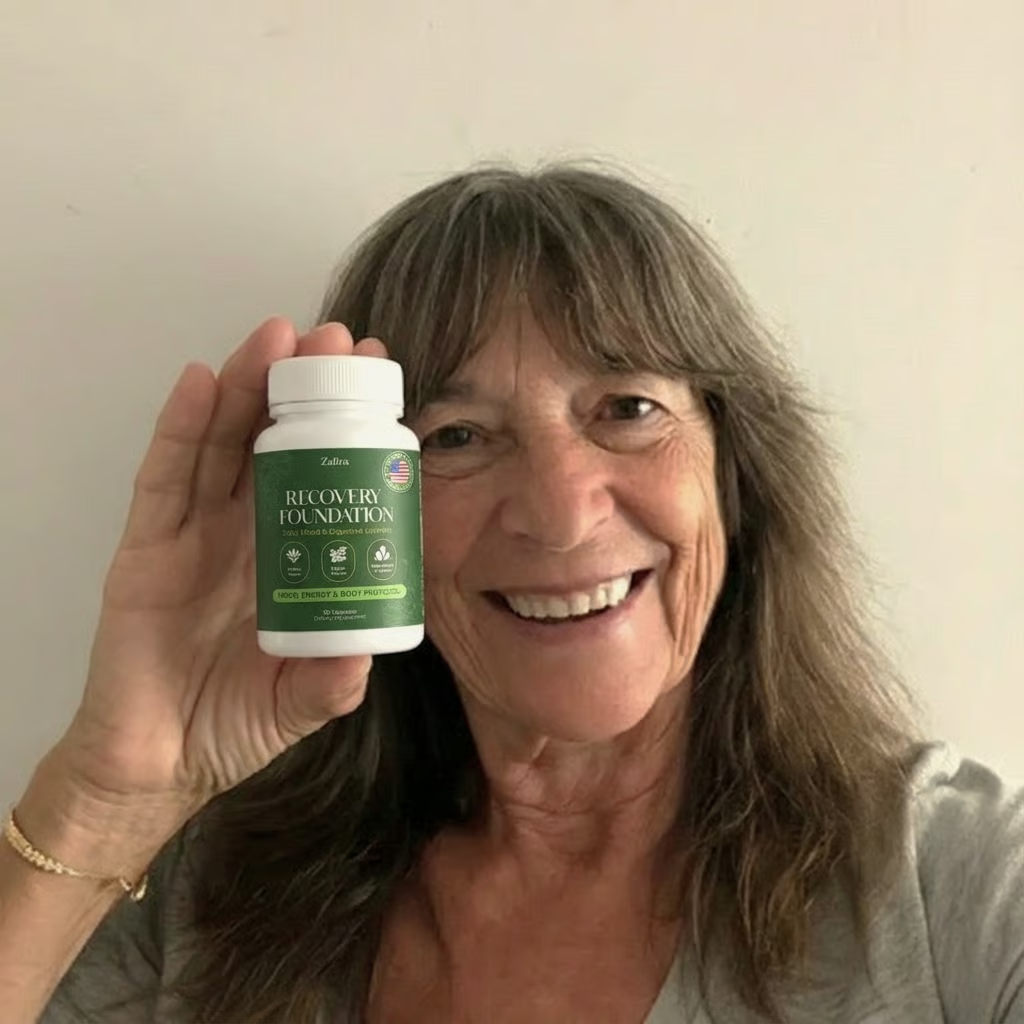
Here are the changes GLP-1 users report once they start:
The exhaustion lifts. The "wired but tired" feeling that cortisol creates is replaced by steady, usable energy.
Your sleep comes back. You fall asleep and stay asleep.
The food noise stays quiet. Cortisol doesn't spike the appetite, even in the last couple days before the shot.
Your muscle stays where it belongs. Users with lower cortisol levels lose significantly less muscle on the GLP-1 treatment.
The plateau breaks. Your body finally feels safe enough to start releasing weight.
The hair shedding slows. Your follicles come out of the resting phase that cortisol forced them into.
Let's Look at the Long-Term Perspective:
If you are reading this while on GLP-1 medications, six months from now, most probably, you will still be on the shot. But the question is which version of the next six months you're going to live.
In one version, the cortisol holds. The hair keeps shedding. The muscle keeps going. And, unfortunately, the less muscle you have, the slower your baseline metabolism is. Which is how people who lost 50 pounds regain 60 in the first year after quitting. Your plateau might eventually break — but what would be the cost, and how much time will it take?
In the other version, you address the cortisol loop. Your body feels safer to adjust to the weight loss and "let go." You might still encounter plateaus — but they will be lighter, go faster, and you won't have to pay such a high price with your hair and muscle.
The difference between those two versions can be whether you address cortisol, or you don't.
I'm Ready To Address My Cortisol.
If you don't see a difference in your plateau, your sleep, your hair, or how you feel on your medication within 60 days — you pay nothing. We can offer that because the research behind this protocol is not ambiguous. Either the science holds, or you get your money back.
Yes, I'm Ready To Address My CortisolWhat GLP-1 Users Are Reporting.
Try It For 60 Days Without Risk
If You Don't See a Difference — You Pay Nothing
Recovery Foundation · By Zafira OrganicsNote: This product is not intended to replace medical advice. Always consult your healthcare provider before starting any new supplement, especially if you're on prescription medications.
Ozempic, Wegovy, and Mounjaro are registered trademarks of their respective owners. This product is not affiliated with or endorsed by these companies.
These statements have not been evaluated by the Food and Drug Administration. This product is not intended to diagnose, treat, cure, or prevent any disease.
Individual results may vary. Results described in testimonials and case studies are not typical, and your experience may differ.
This article is for informational purposes only and is not intended as a substitute for advice from your physician or other healthcare professional. Do not discontinue or modify your prescribed GLP-1 medication without consulting your physician.
Any references to scientific studies, researchers, or institutions are for informational context only and do not imply endorsement of this product.
This is a paid advertisement for Zafira Organics and is not an actual news article. The opinions expressed here are for promotional purposes only.